A MERIDIAN COLLECTION
Wellness &Restoration
Journeys that return you to yourself.
Scroll
Journeys that return you to yourself.
There is a form of tiredness that sleep does not cure. A particular kind of distance from oneself that accumulates not in the body but in the quality of one’s attention — in the gradual inability to notice the small things, to be surprised, to feel the specific weight of a morning that has not yet decided what kind of morning it will become.
This is the condition that MERIDIAN’s Wellness & Restoration journeys are designed to address. Not with treatments or programmes or prescribed relaxation, but with the particular medicine of unhurried time in places that still know how to be quiet.
Restoration, as MERIDIAN understands it, is not something that is done to a person. It is something that occurs in the right conditions — when the pace of a place matches the pace of a body that has been allowed to slow down, when the quality of the light communicates that this hour does not require anything of you, when the sequence of each day is shaped by inclination rather than obligation.
Every journey in this collection begins with a question. Not where would you like to go, but what do you most need to leave behind?
“The most profound restoration occurs not when something is added to a life, but when something is removed from it — and the space that remains turns out to have always been enough.”
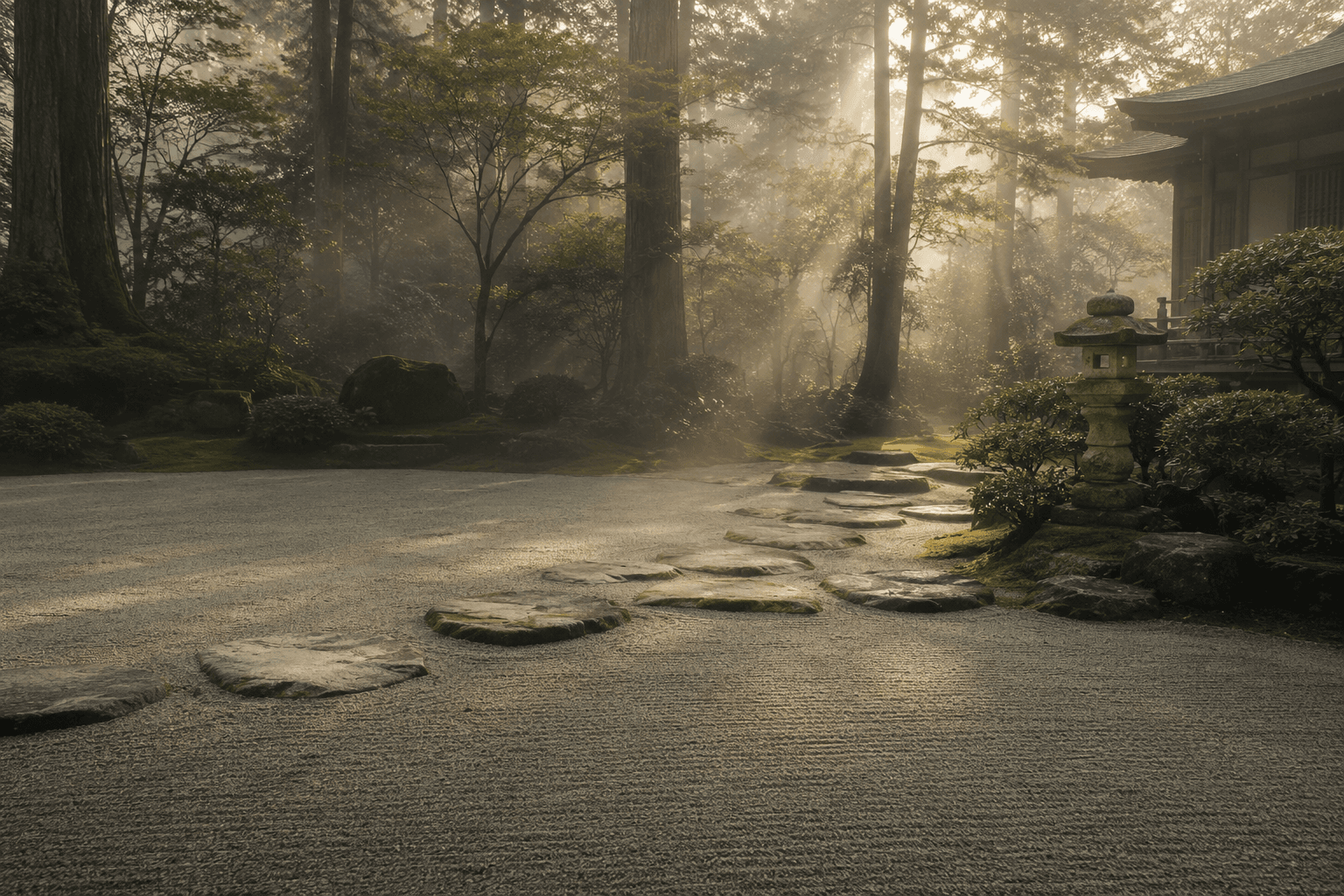
November in Kyoto, before the famous week of colour. Temple gardens walked at dawn, a private ryokan in the eastern hills, the particular quality of light that belongs only to this city in this season.
Explore this journey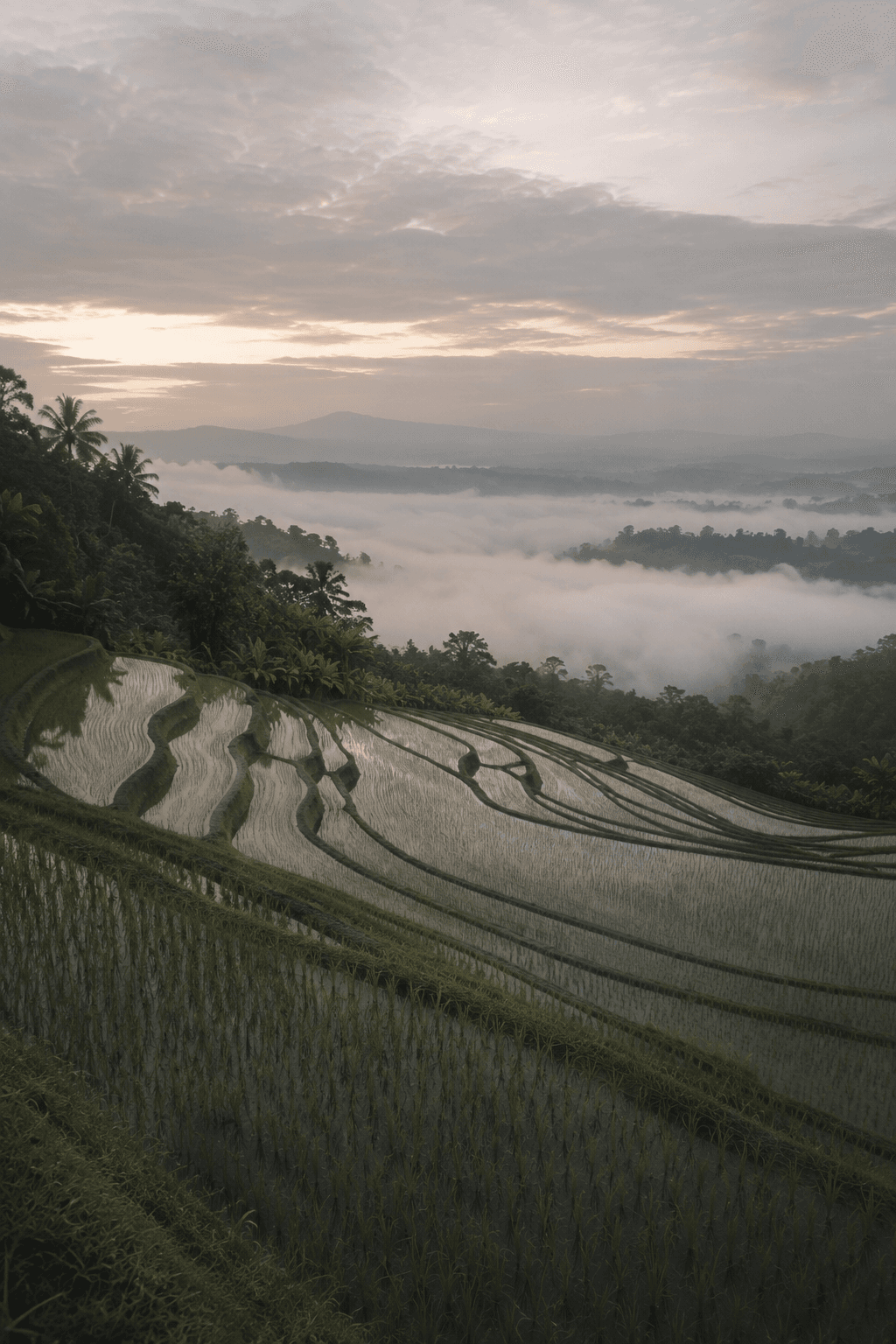
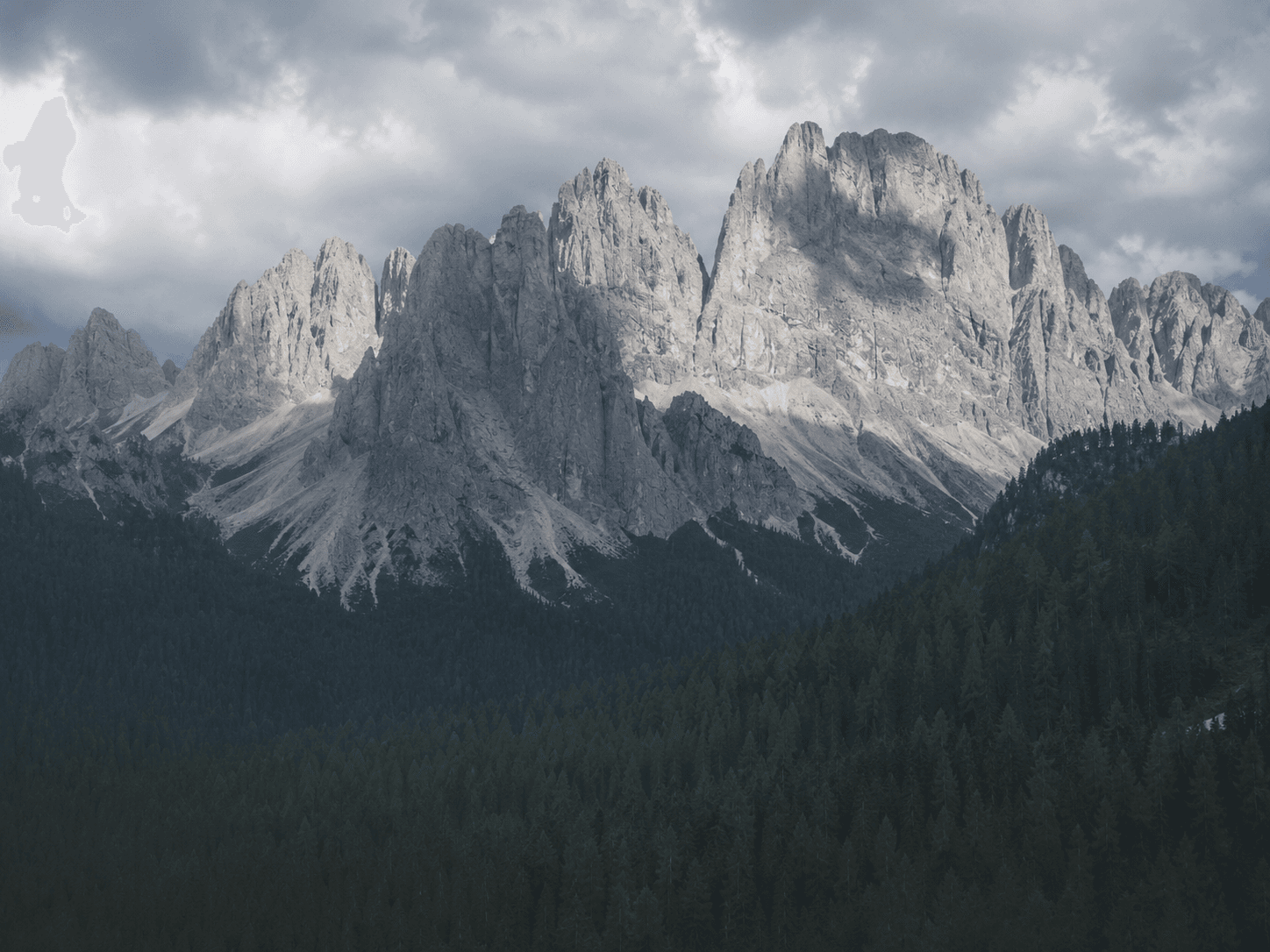
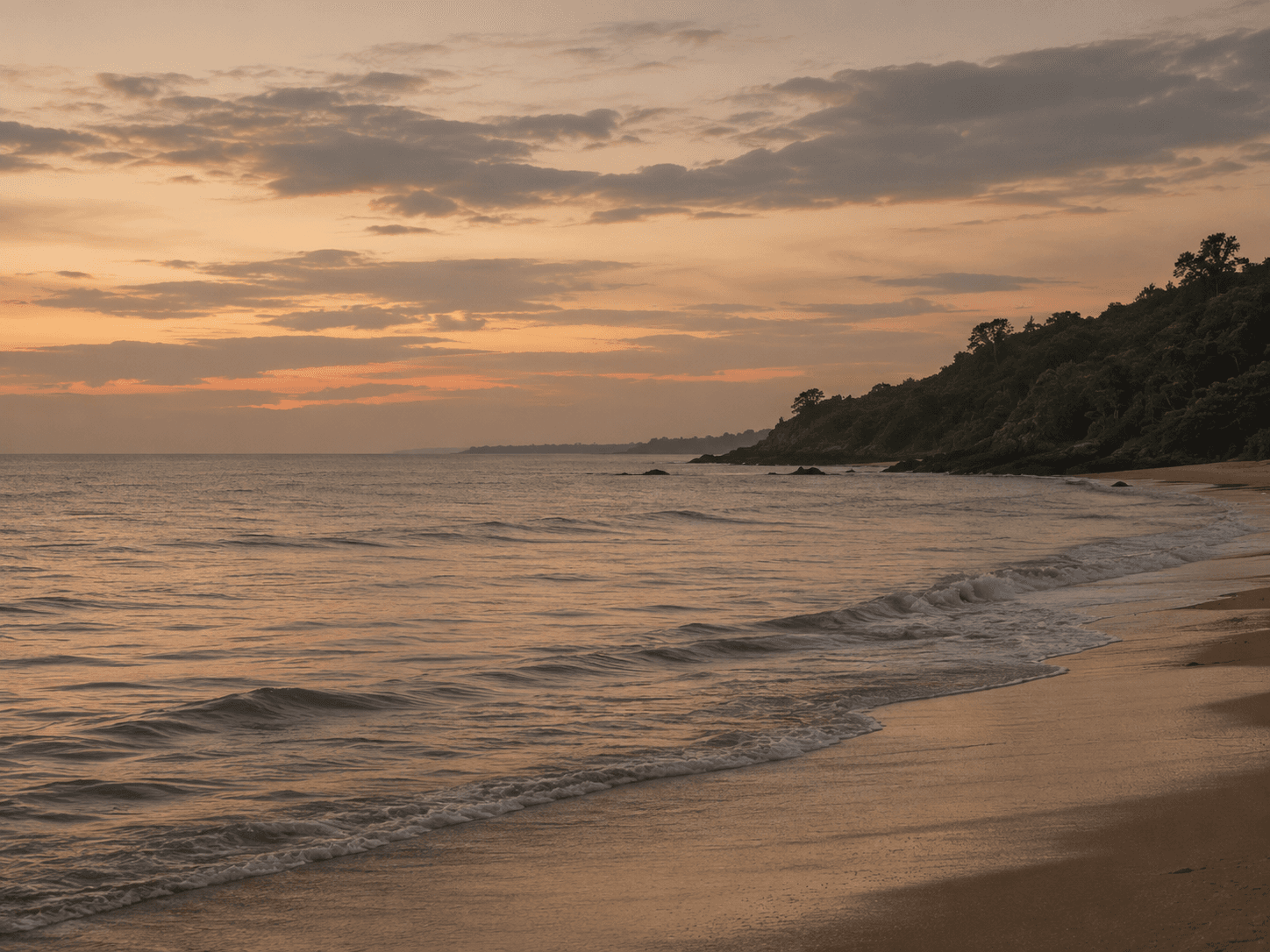
Amanjena, at the edge of the Palmeraie. A private riad, a garden of fragrance, the particular quality of morning light that arrives over the Atlas in late autumn and never looks the same twice.
The ability to arrive somewhere that does not compete for your attention. A place that asks nothing of you in its presence.
Not the absence of sound, but the absence of obligation. The particular quiet of mornings in places that have not yet been discovered.
The hours before the day organises itself. Access to dawn in places where dawn still feels like something worth witnessing.
The particular quality of sleep that arrives when the body is finally allowed to let go. Darkness, temperature, the sound of water or wind.
Landscapes that remind a person of their actual scale. Mountains, ocean, forest — environments that require nothing of you in return.
The kind of light that communicates that this hour does not require anything of you. The light of late afternoon in places built for it.
Small ceremonies that give a day its shape — not schedules, but rhythms. The bath, the tea, the hour before dinner spent doing nothing at all.
The knowledge, at the end of a journey, that something has been restored — not added to, not improved, but returned to itself.
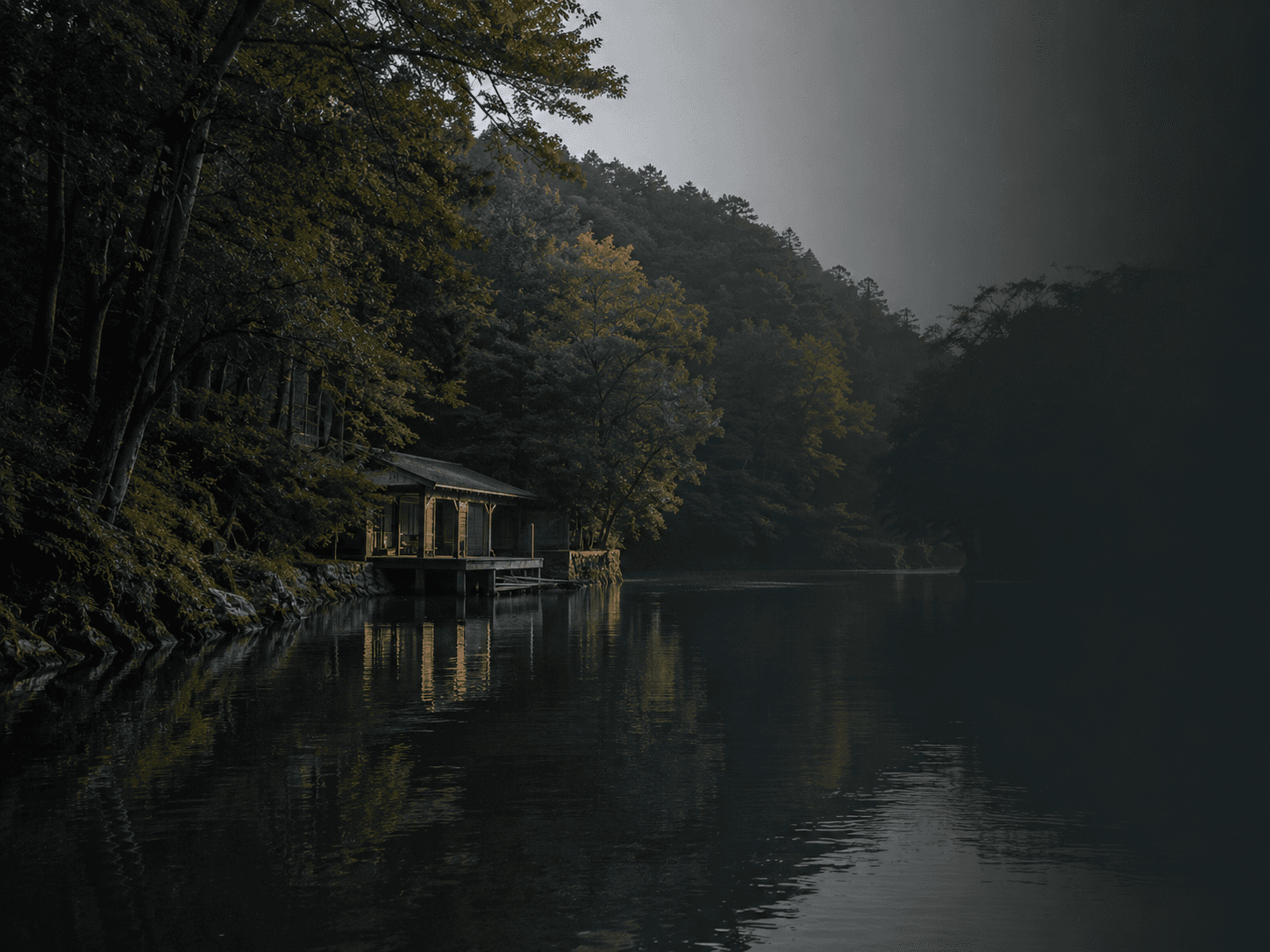
November is the correct month. Not for the famous foliage — that arrives in the third week and brings the crowds with it — but for the ten days before it, when the temples are quiet and the light has the particular quality of a season in the act of changing its mind.
MERIDIAN has curated a seven-night sequence that begins in the Gion machiya and moves gradually westward, ending at Hoshinoya Kyoto — a property that can only be reached by boat and exists in a state of deliberate remove from everything the city is known for being.
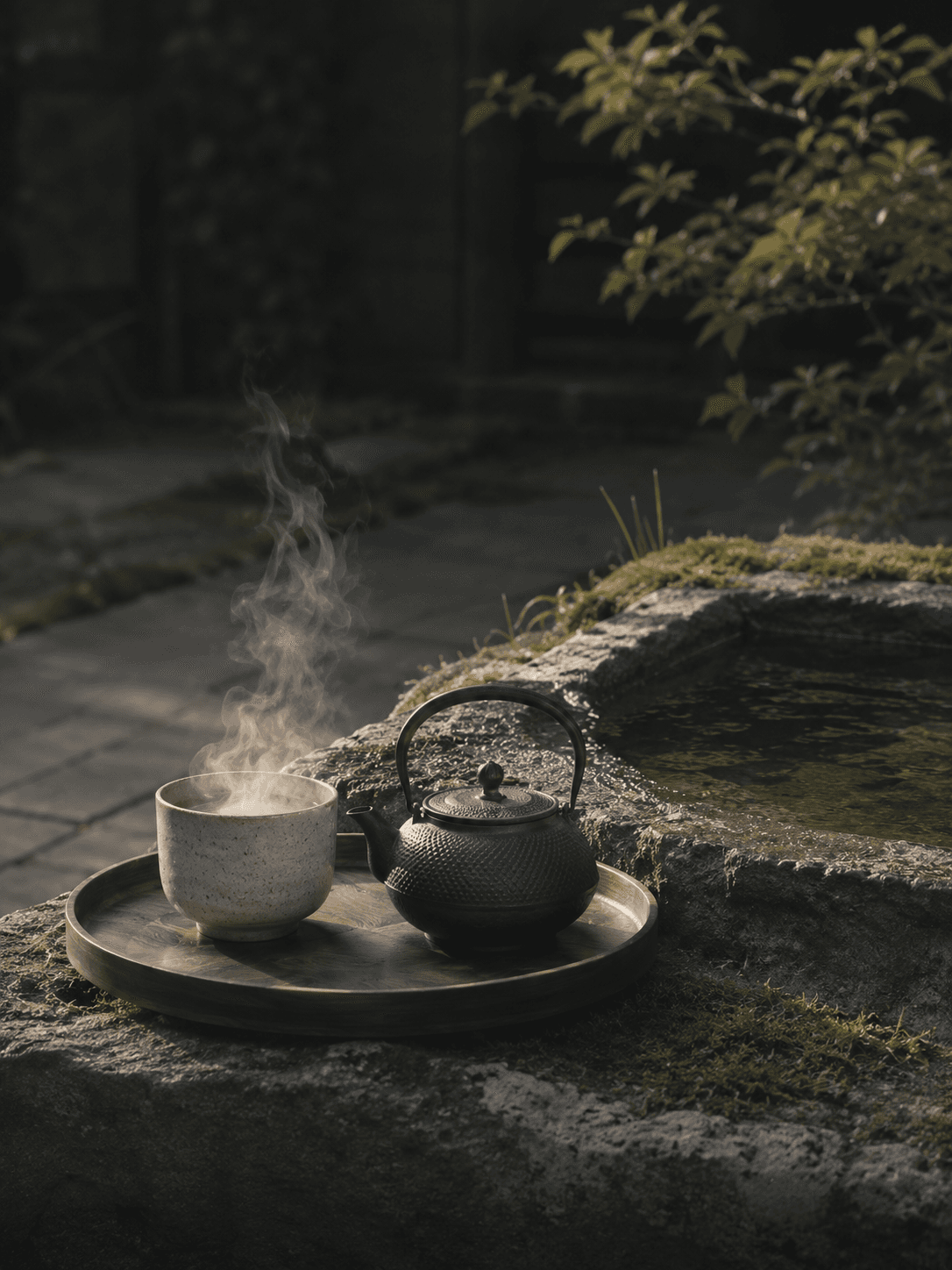
The garden before the light arrives. A path through pine and moss walked in silence. The particular quality of cold air at altitude and the discipline it instills in the lungs.
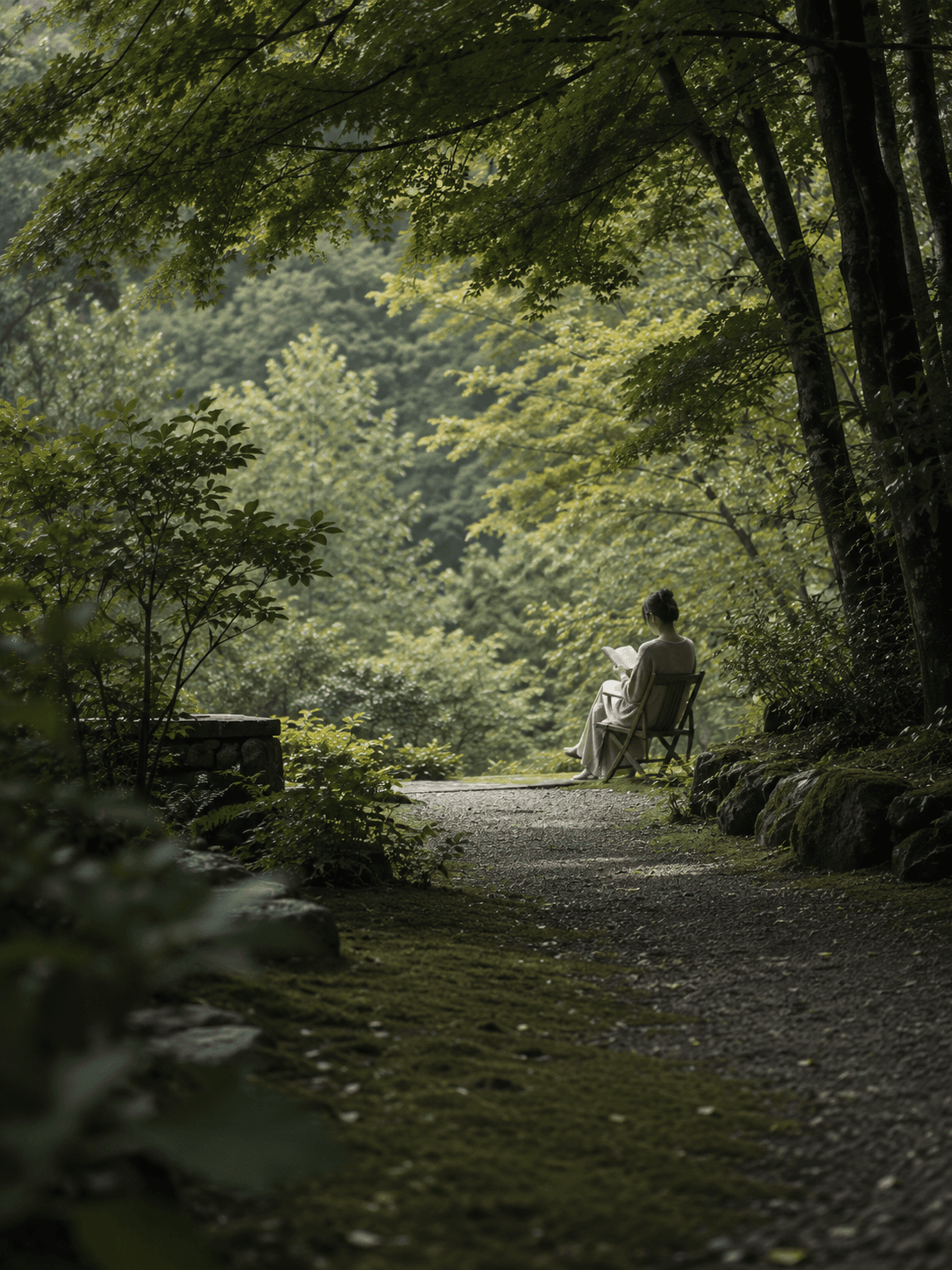
Lunch taken without urgency. A body of water nearby that does not require anything of you — to swim in, or simply to observe from a distance while the day rearranges itself.

The shift of light that arrives at a specific angle and lasts, in the best places, for a specific number of minutes. A private table. A single glass of something cold. The sound of the kitchen preparing itself.
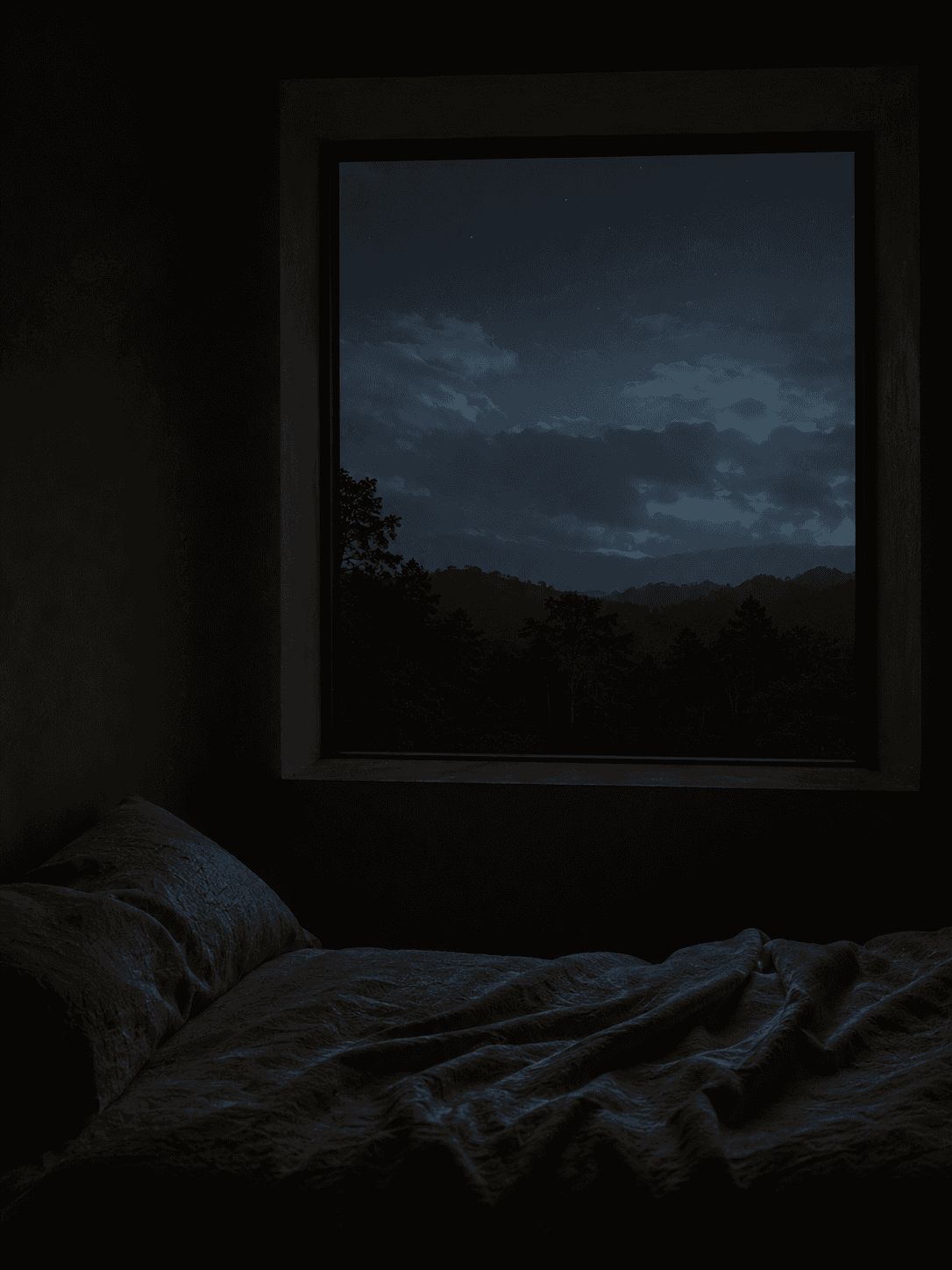
The temperature that arrives after midnight in the mountains. The particular weight of a bed in a room designed to be dark. Sleep, uninterrupted, until the body decides that it has had enough of it.
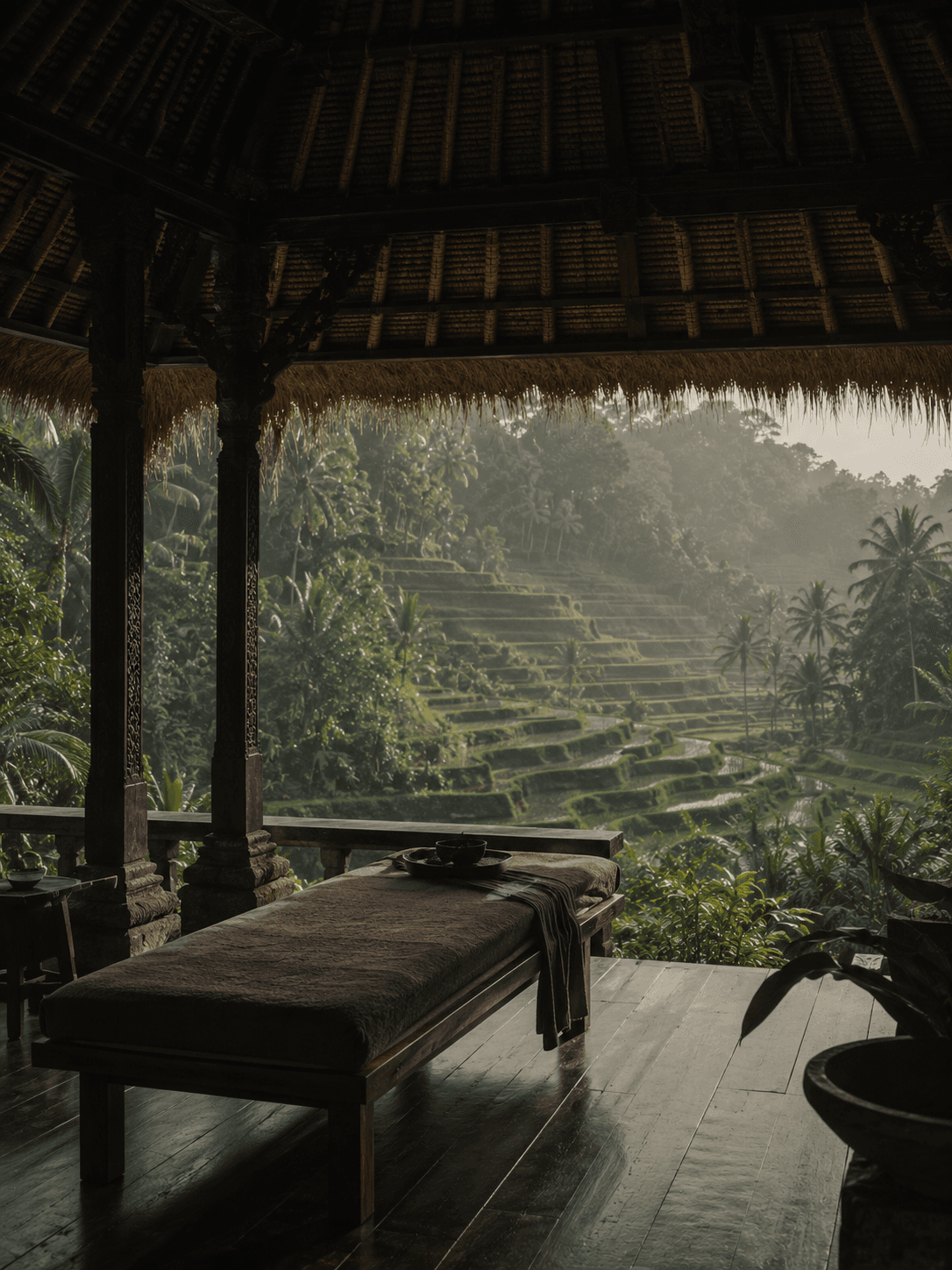
A retreat in the forest above the Ayung River. Pavilions connected by jungle paths, sunrise yoga in open-air studios, three-day programmes designed around the particular kind of exhaustion you arrive with.
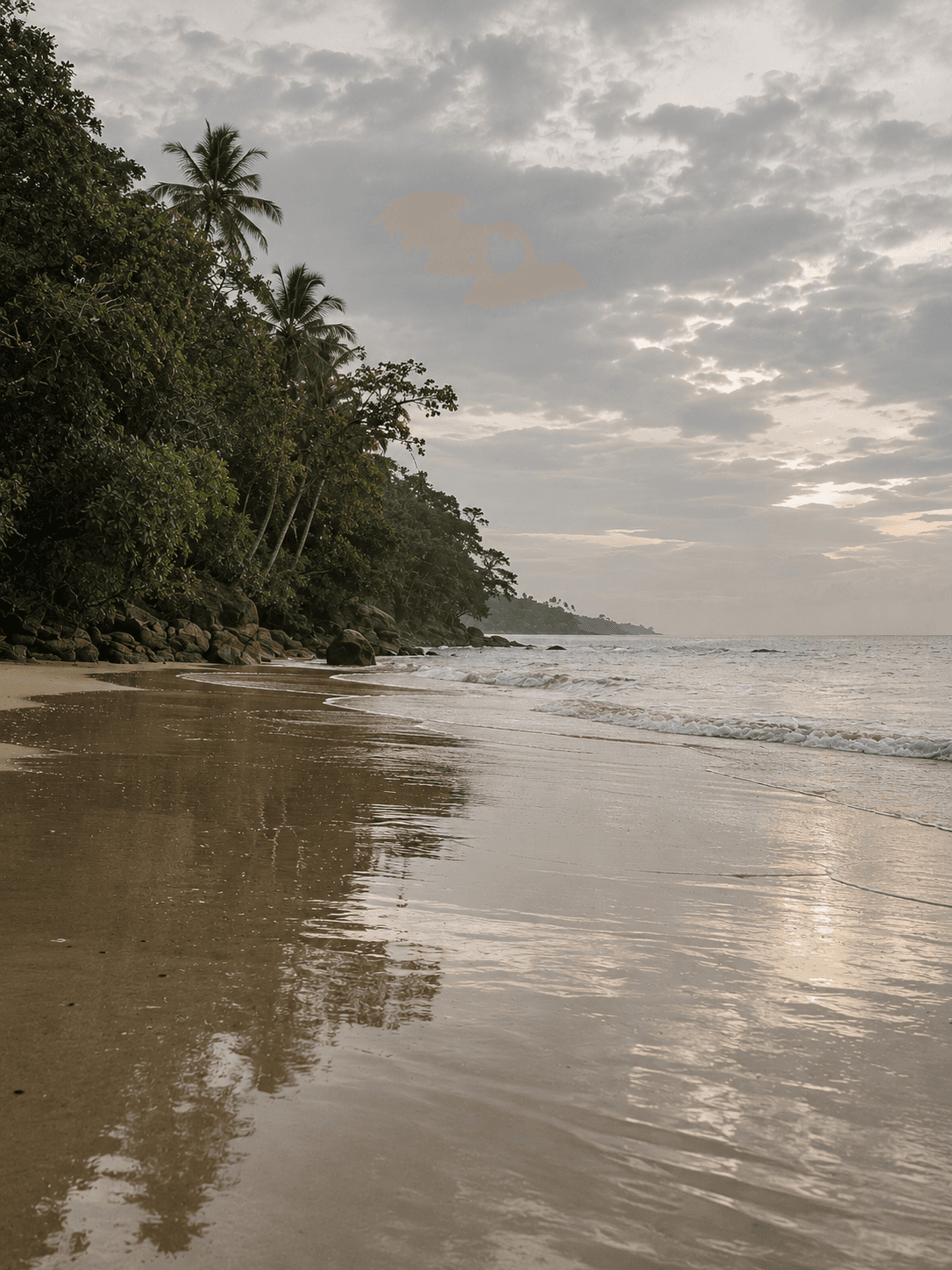
A crescent of beach that the Indian Ocean reaches at precisely the right angle in the morning. Seventeen pool suites on the headland. The sound of waves as the primary experience.
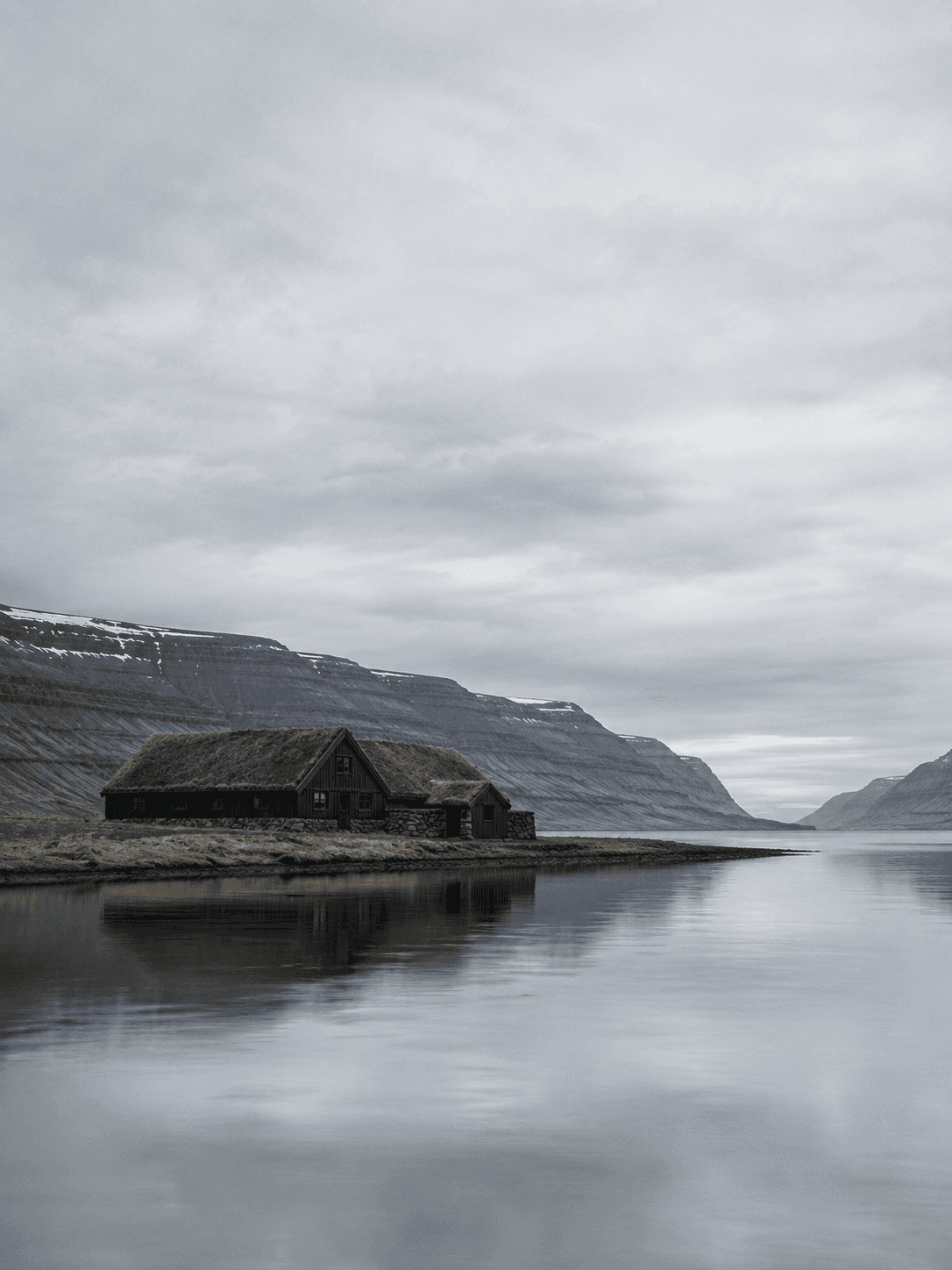
A converted sheep farm at the edge of a fjord. The northern lights, when present, fill every window. The geothermal pool steams in sub-zero air. Thirteen rooms, no distractions.
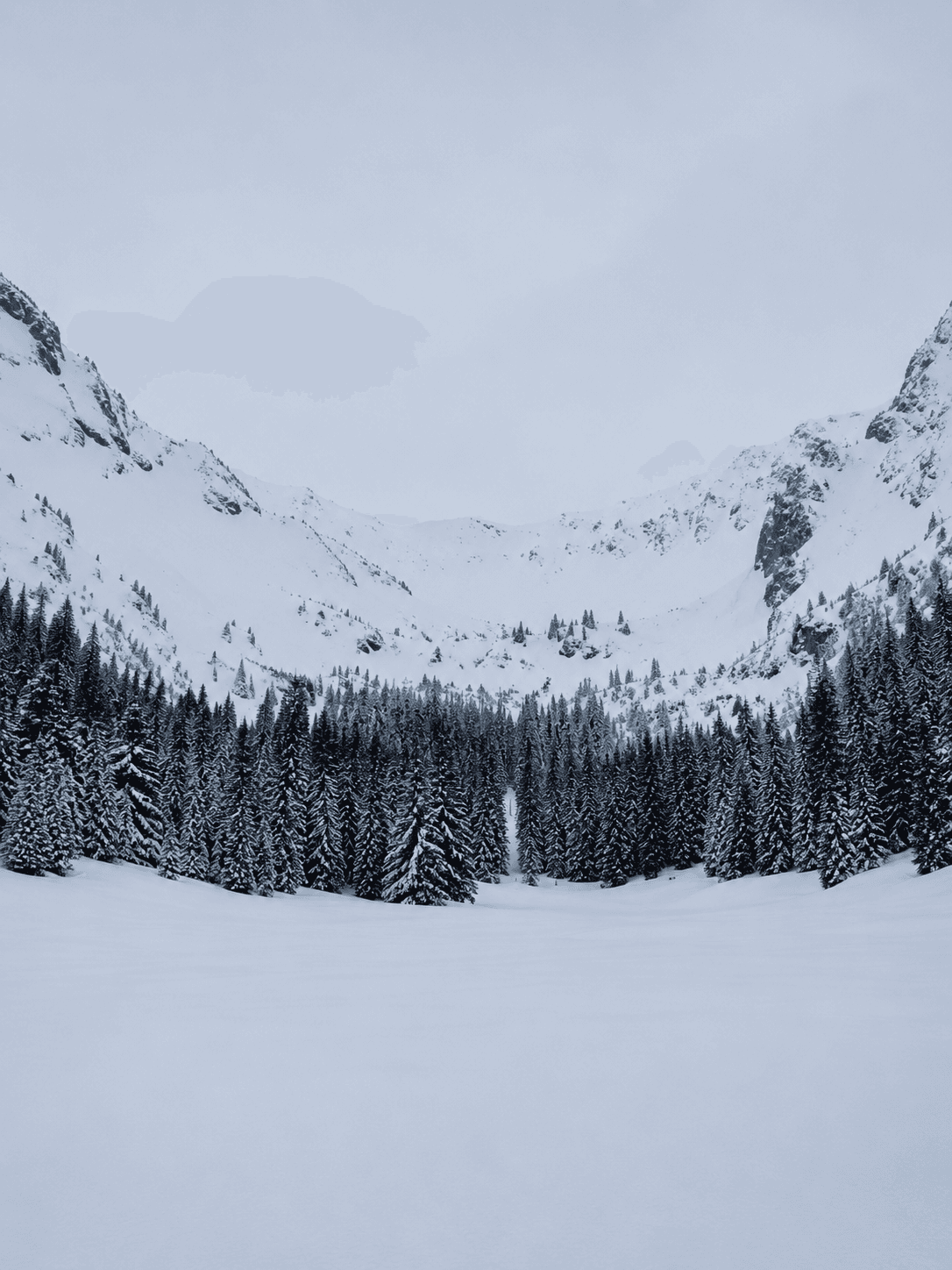
At 1,100 metres, in a valley that the Swiss decided to leave as it was. The Six Senses Spa occupies an entire floor. Snow in December. Silence, year-round.
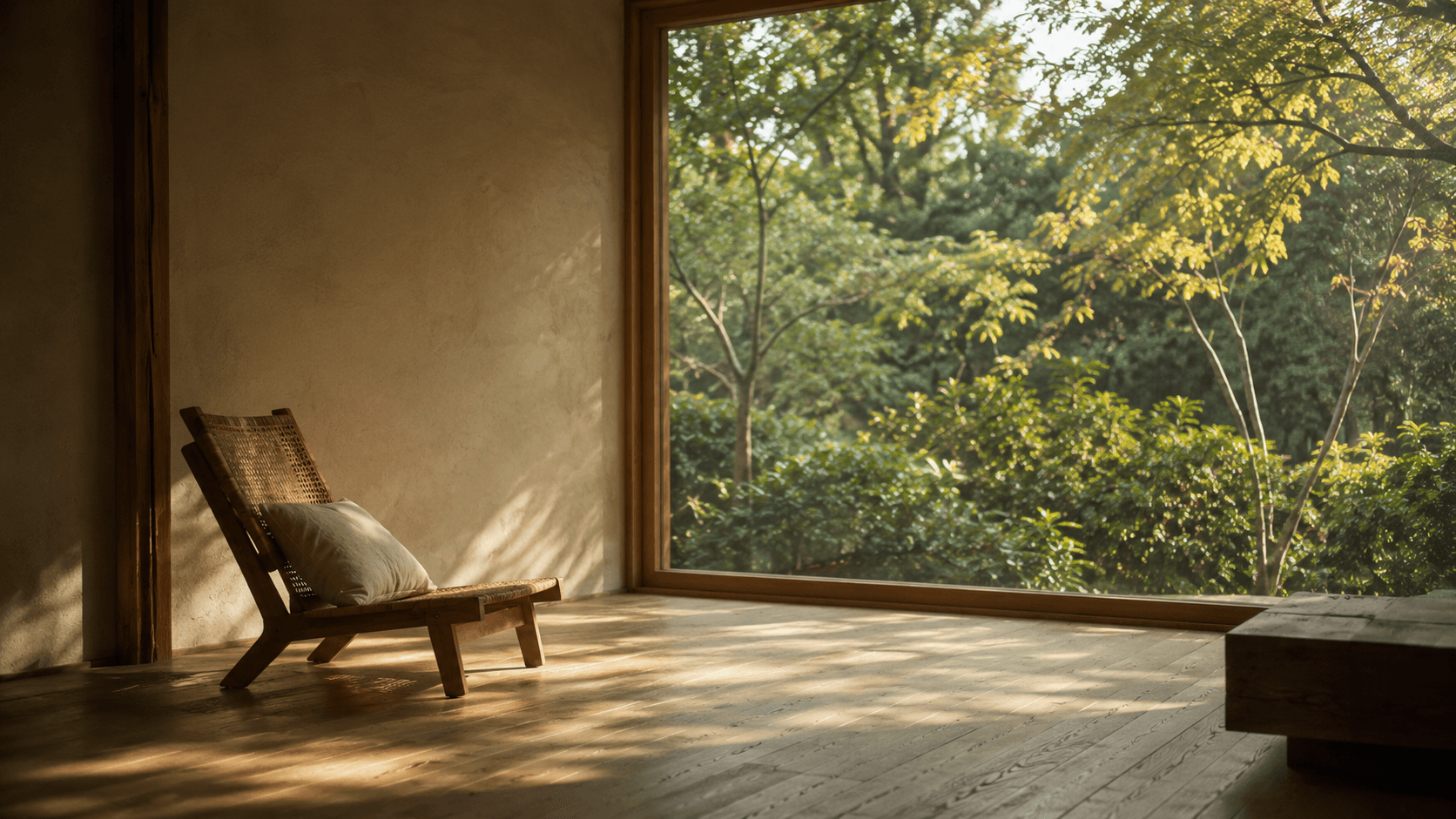
The ryokan is not a hotel that also offers wellness. It is a building designed around the logic of restoration — a philosophy embedded in the sequence of rooms, the timing of meals, the quality of the silence that is actively maintained after nine in the evening. Twelve years of returning to the same inn in the hills above Kyoto, and what changed was not the place.
Against the reflex to maximise, and in favour of the slow hour in the hotel bar before the journey properly begins.
Productivity culture has colonised the concept of rest. A meditation on what it means to travel without an agenda.
“Tell us what you most need to leave behind. We will find the place that asks for none of it.”
Our Wellness Concierge team specialises in restoration. They know the difference between a spa hotel and a place that understands rest. They have spent time in all of them, and they will ask you the right questions before they recommend any of them.
Every wellness journey begins with a conversation. Tell us what you need to leave behind, and we will find the place that asks for none of it.