Before theleaves fall.
Seven nights in Kyoto during the week before the city remembers it is beautiful.
Scroll
Seven nights in Kyoto during the week before the city remembers it is beautiful.
Every November, Kyoto becomes one of the most visited places on earth. Its maples turn — red, amber, ochre — and the world arrives to witness it. The gardens fill before dawn. The famous corridors receive their ten thousandth photograph of the week. The light, when it manages to find an unobstructed angle, is genuinely extraordinary.
This is not that journey.
This journey begins the week before. In the days when the colour has arrived at its own pace but the crowds have not yet responded. When the gardens are at their most honest — not performing their beauty but simply being it. When the temple at five in the morning belongs to no one except the person who chose to be there at that hour.
Seven nights shaped around the particular quality of light that belongs to Kyoto in late autumn — low, warm, arriving at an angle that makes every old surface communicate something it conceals at other times of year. Stone that has carried three hundred winters. Timber that has absorbed the warmth of every tea ceremony held in this room since the building was made.
The pace of the journey is shaped by one principle: nothing in Kyoto is improved by being rushed toward. Each place we have chosen reveals itself differently to the person who arrived early, who waited, who was paying attention. Your concierge has been to each of them before dawn. They know the angle, the hour, the particular silence that precedes the first light on the eastern hills.
This is not a journey about Kyoto. It is a journey about the quality of attention that a city like Kyoto produces in the person who gives it enough time.
“The week before the colour peaks is always the most interesting week. The city is most itself when it is not yet performing for anyone.”
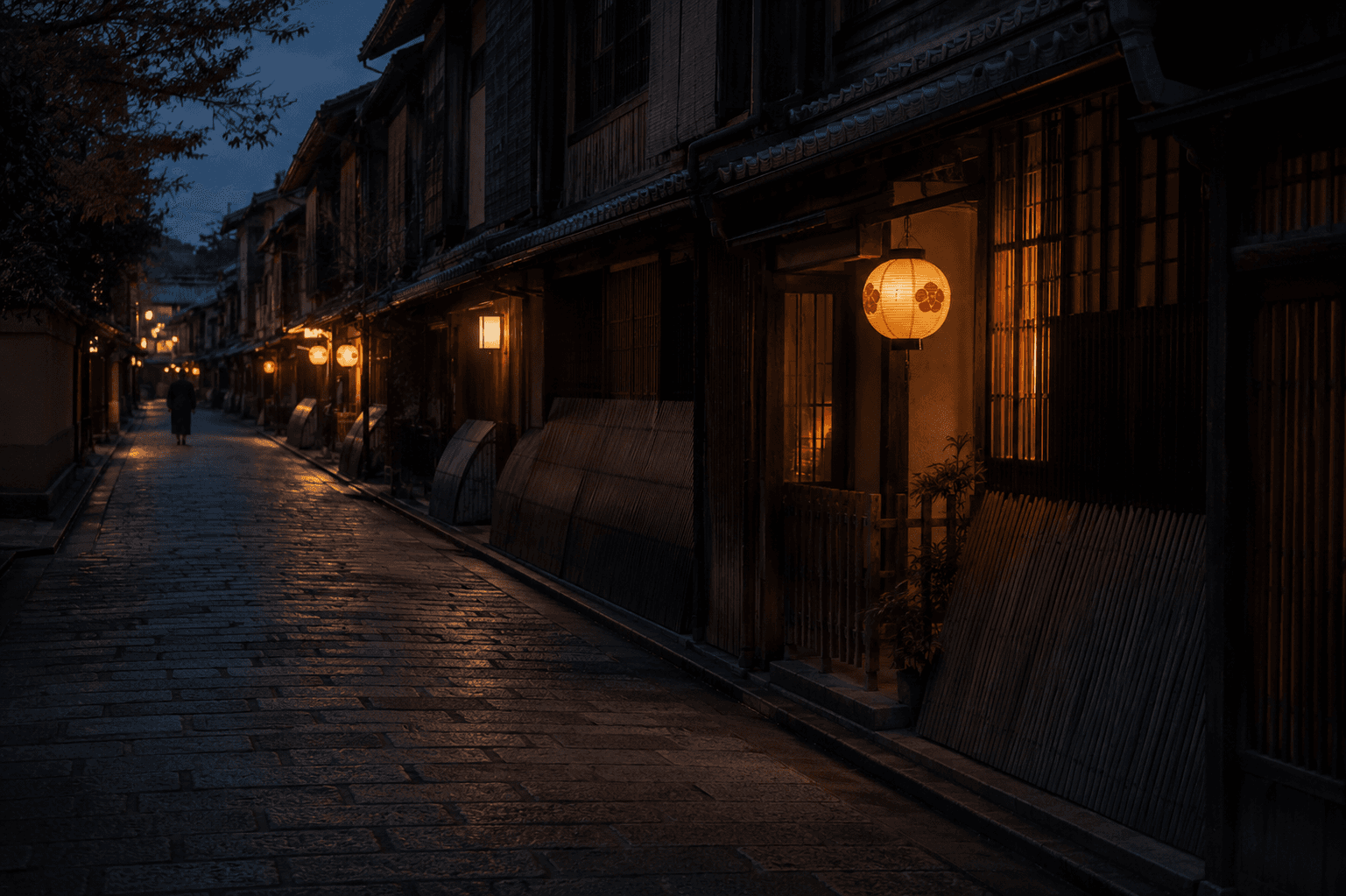
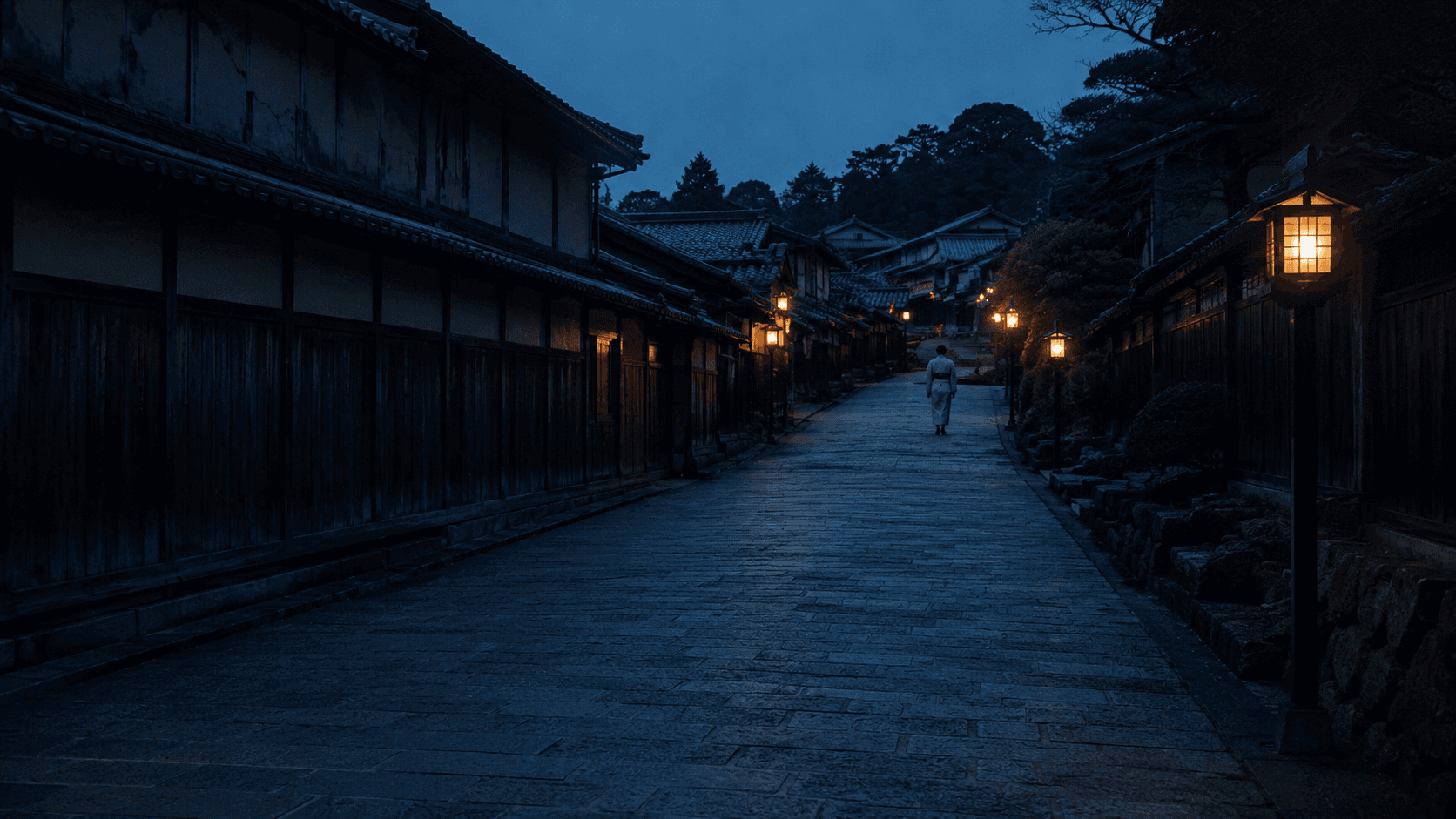
You arrive at Gion in the late afternoon, when the autumn light is most committed to its warmth. Your townhouse on a lane that dead-ends in a temple garden. A kimono laid out on the futon by someone who has already thought about your morning.
Tonight: a kaiseki dinner at a restaurant your concierge has been visiting for eleven years. A table in the rear room, behind a screen that was painted in 1847.
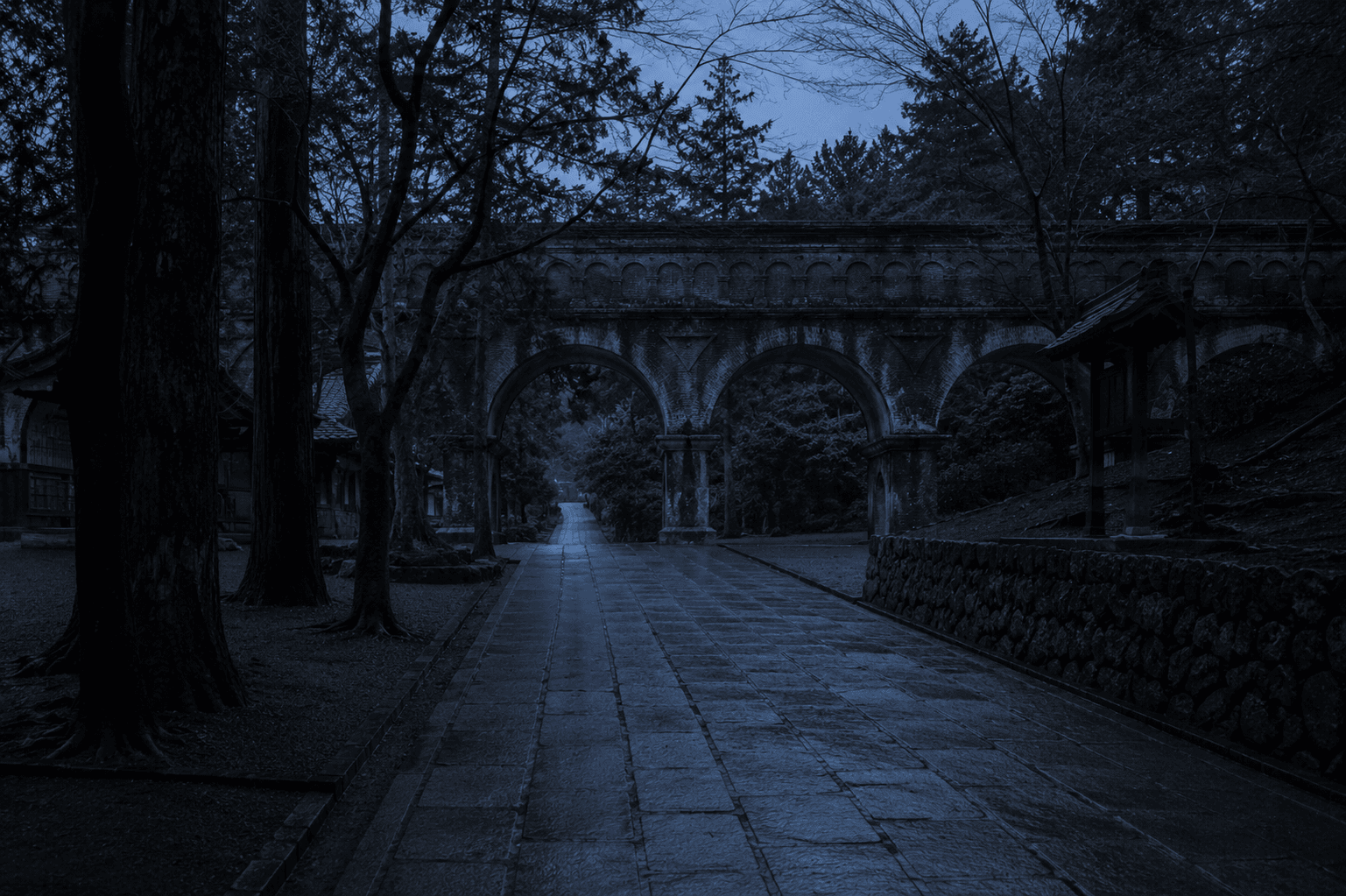
At half past five your concierge meets you at the garden gate. The walk to Nanzenji takes twelve minutes. There is no one else on the stone path. The light through the aqueduct at this hour is something the morning holds only for those who came early enough to find it.
Breakfast after, at a tofu restaurant that has been making breakfast at this hour since 1635.
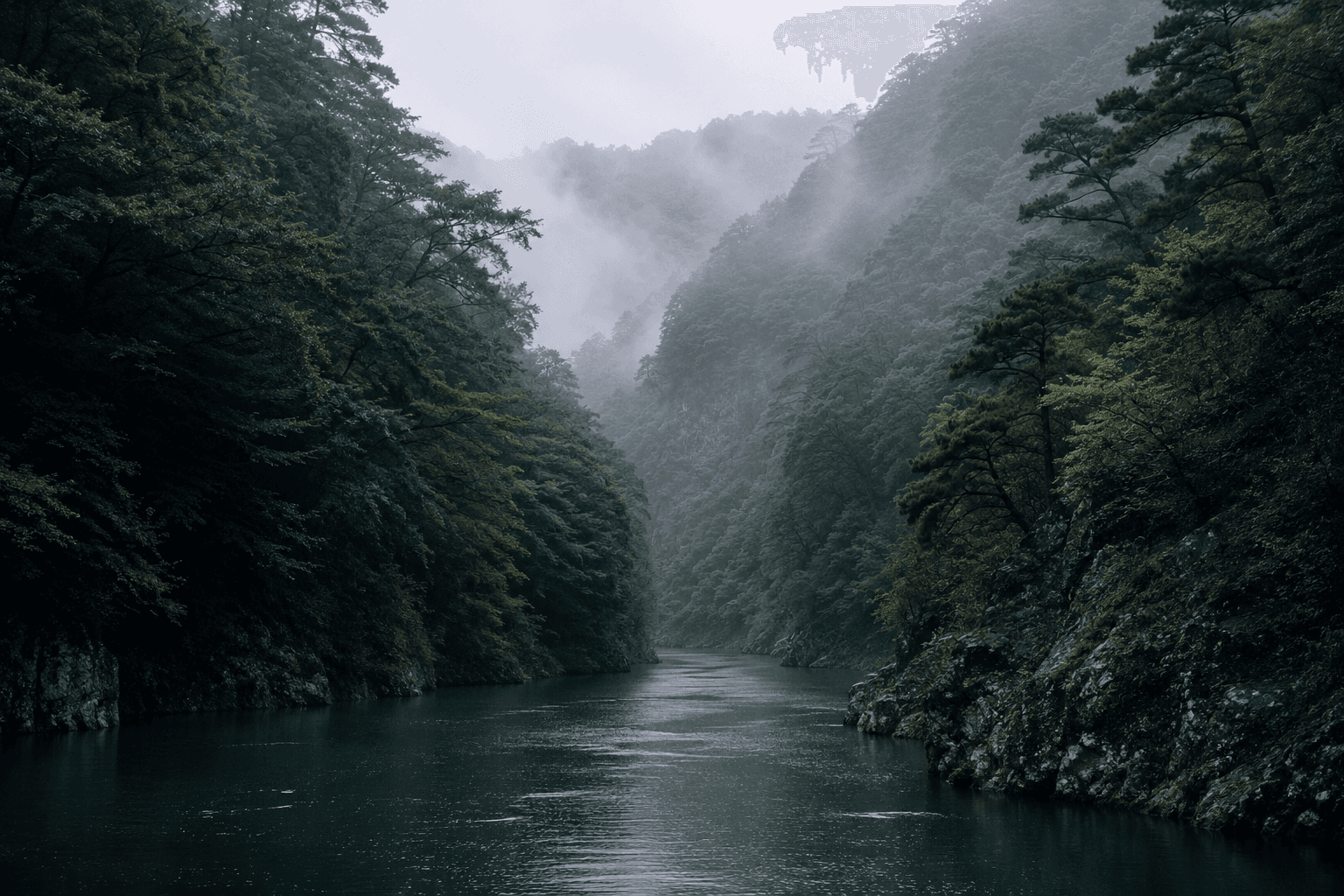
A short private boat from the Oi River landing to Hoshinoya. The property sits in the forest above the waterline. No road access. No street noise. In three nights here you will sleep more deeply than you have in years.
At Hoshinoya you have no schedule. The forest begins at the edge of your room. The morning bath is fed by a thermal spring. Your meals are prepared from things that came, this morning, from the mountainside above. These two days exist as a counterpoint to every other part of the journey — an invitation to simply be somewhere that is entirely worth being in.
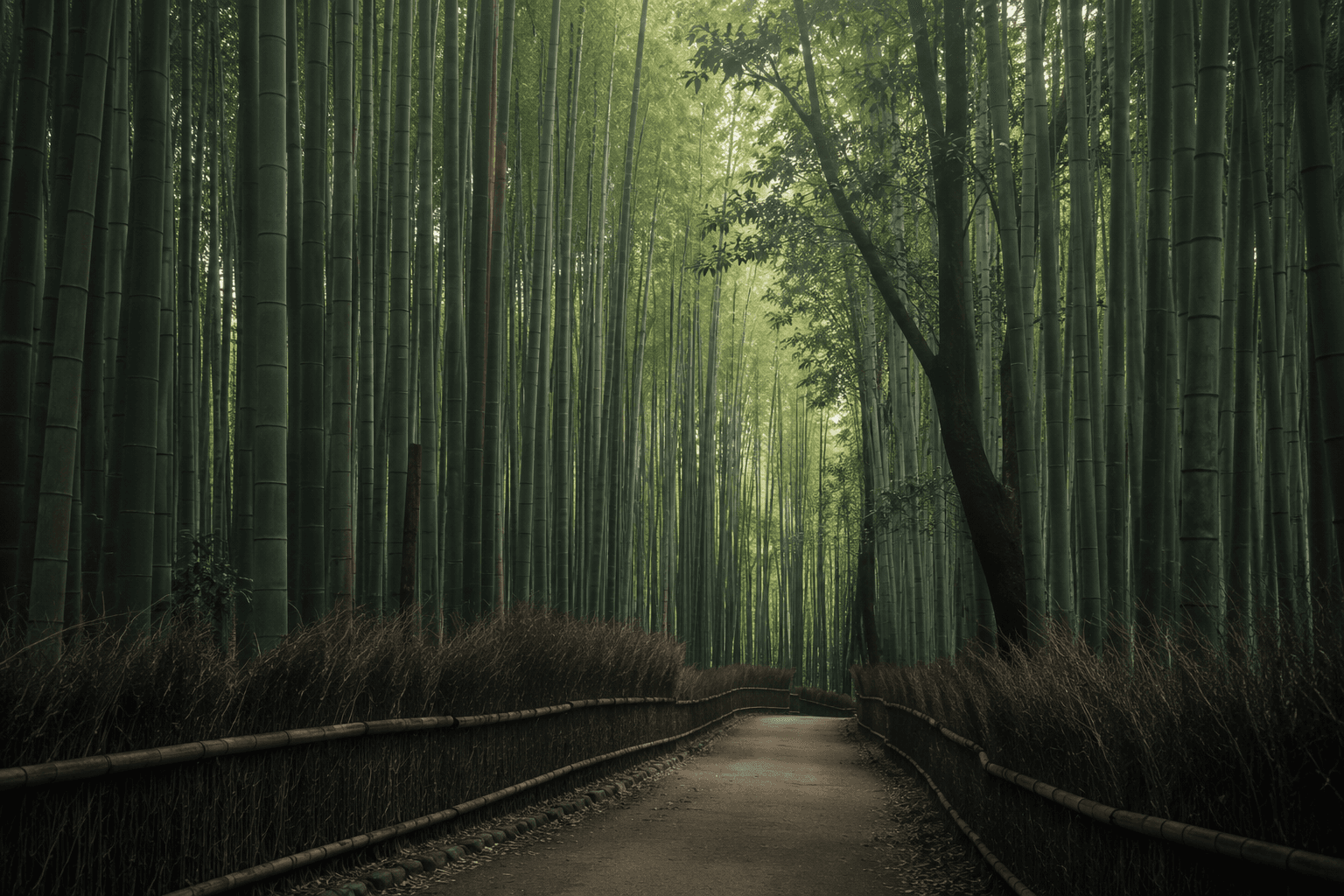
The famous bamboo corridor at Arashiyama is, at six in the morning, entirely silent. Your concierge has arranged private access to Okochi Sanso garden above it — the mountain villa of a silent-film actor who built it stone by stone across thirty years of mornings. The view at this hour justifies the climb.
The afternoon returns you to the city. A final evening in Gion for dinner.
A final walk through the streets that still carry their original width, at the hour they are most themselves. Departure is in the late morning. The Shinkansen to Tokyo leaves at 10:42. Your concierge will meet you at Kyoto Station. Between now and then, no schedule.
This journey ends in the same spirit it began. Unhurried. Entirely yours.
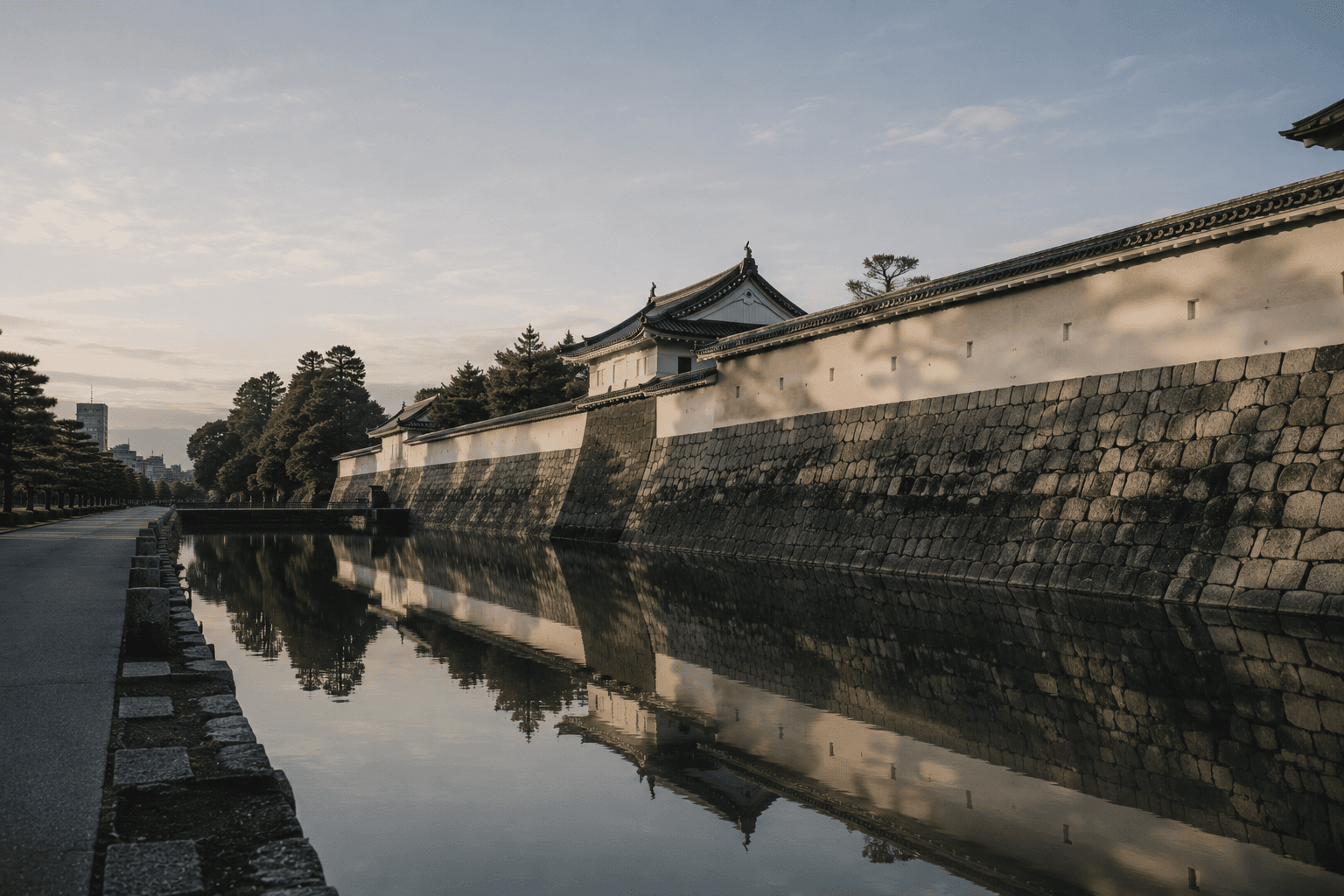
We select accommodation not for their awards or their rate, but for the quality of the morning they produce. Both of these properties have mornings worth waking up early for.
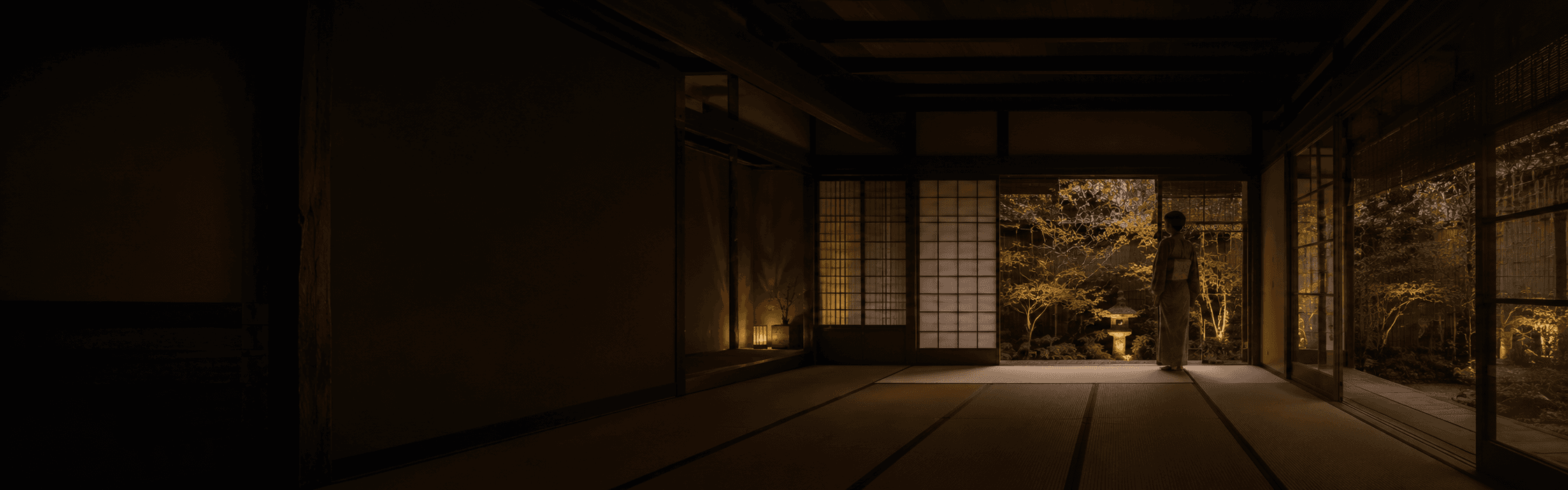
Built in the late Edo period and preserved with extraordinary care. A machiya on a lane that does not appear on tourist maps — shaded, silent, and completely private. The interior has been prepared to receive exactly one party at a time.
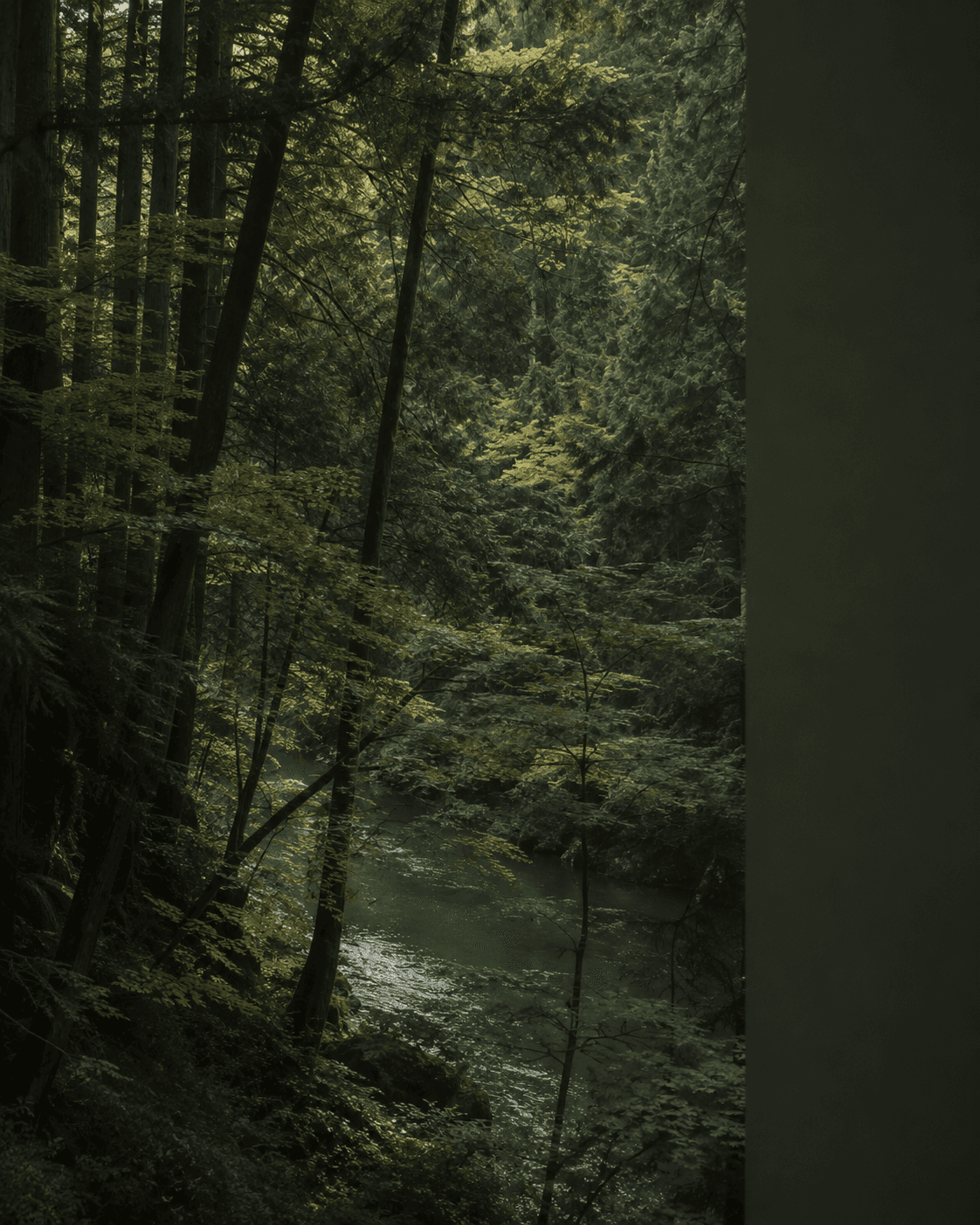
The only luxury property in Kyoto accessible only by boat. Forty-five rooms set into the forested hillside above the Oi River. No road. No street noise. The forest at the window, the thermal bath at any hour, the kitchen garden on the slope above the kitchen that supplies it.
We selected this property for one reason: the quality of the morning it produces. At six o’clock, when the mist sits on the river and the bamboo above the property begins to carry the first light, there is nowhere else in Kyoto we would rather have you wake up.

“The best moments of this journey will not be in the places your concierge arranged. They will be in the spaces between them.”
This journey is shaped to the week of November 10–17. We work with a small number of guests each season, which is why every aspect of the experience can be made specific to you.
Tell us what you are looking for. Your concierge will write to you within two working days to begin a conversation about how this journey might be shaped around your particular way of travelling.
“I have been to every property on this journey before dawn. I know which morning is most worth the early alarm.”
Response within two working days · No obligation · Private & confidential