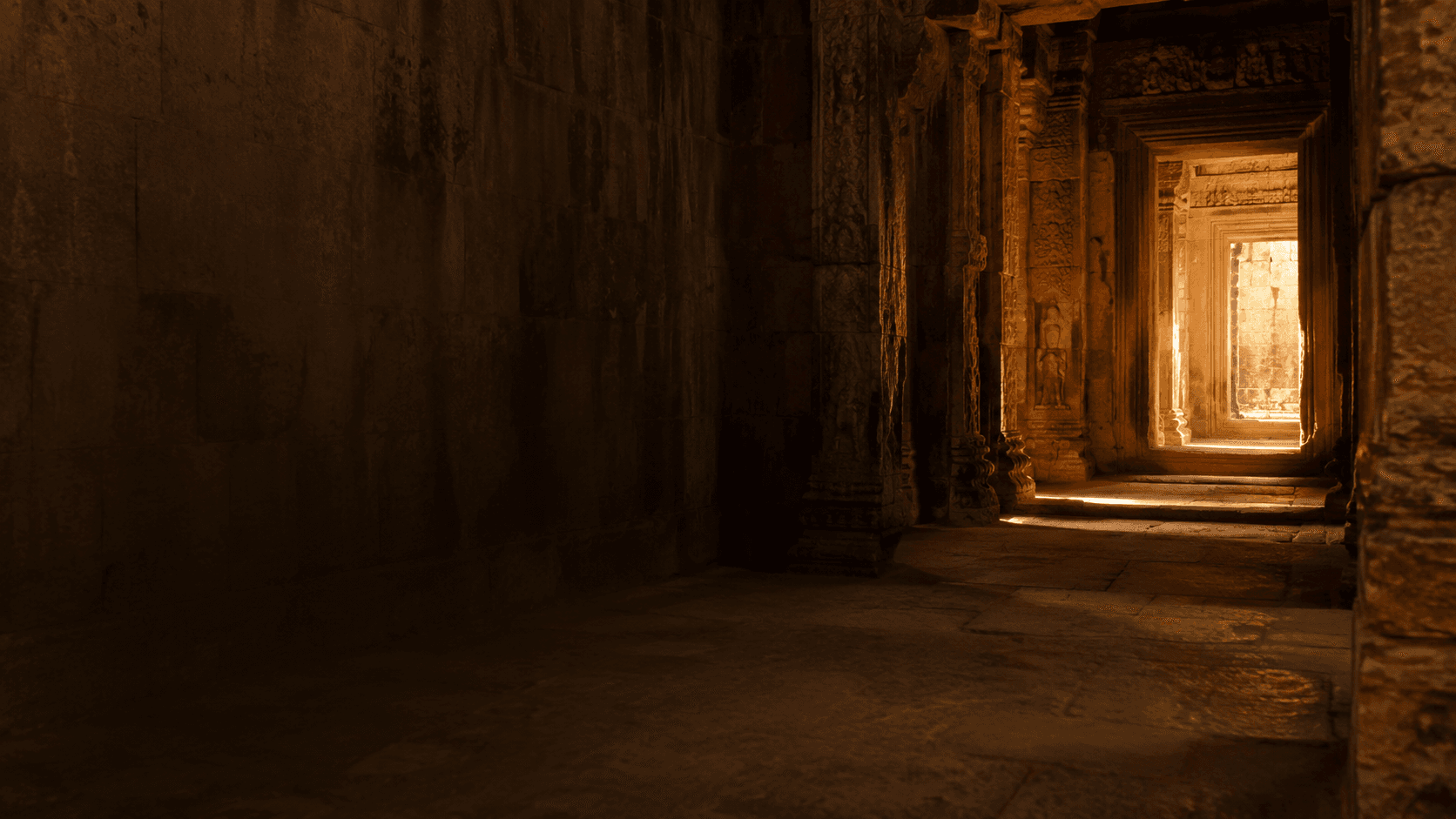
A Meridian Collection
CulturalImmersion
Journeys that return you to the pace the world once moved at.
Scroll
Journeys that return you to the pace the world once moved at.
There is a kind of travel that accumulates sights. And there is a kind that accumulates understanding. They are not the same thing, and they do not produce the same memories. The first produces photographs. The second produces something that alters, in some quiet and permanent way, the pace at which you move through your own life afterwards.
MERIDIAN’s Cultural Immersion journeys are designed around the second kind. Every destination in this collection was chosen because it has a particular way of doing ordinary things — preparing food, observing the season, practising a craft, beginning the morning — that rewards the visitor who slows down sufficiently to actually see it.
We do not arrange cultural experiences. We arrange the conditions under which culture becomes visible to a person who is paying the right quality of attention. The difference matters. The arranged experience communicates something about what a culture is. The discovered one communicates something about what it feels like to belong to it, however briefly.
Every journey in this collection asks of its guest the same thing: the willingness to proceed at the pace of the place, rather than at the pace of the itinerary. In most cases this is slower. In every case it is more rewarding.
“The most interesting thing about any culture is not its most famous expression. It is the ordinary morning — the ritual enacted by people who have been doing it this way for generations, for reasons that are simply obvious to them.”
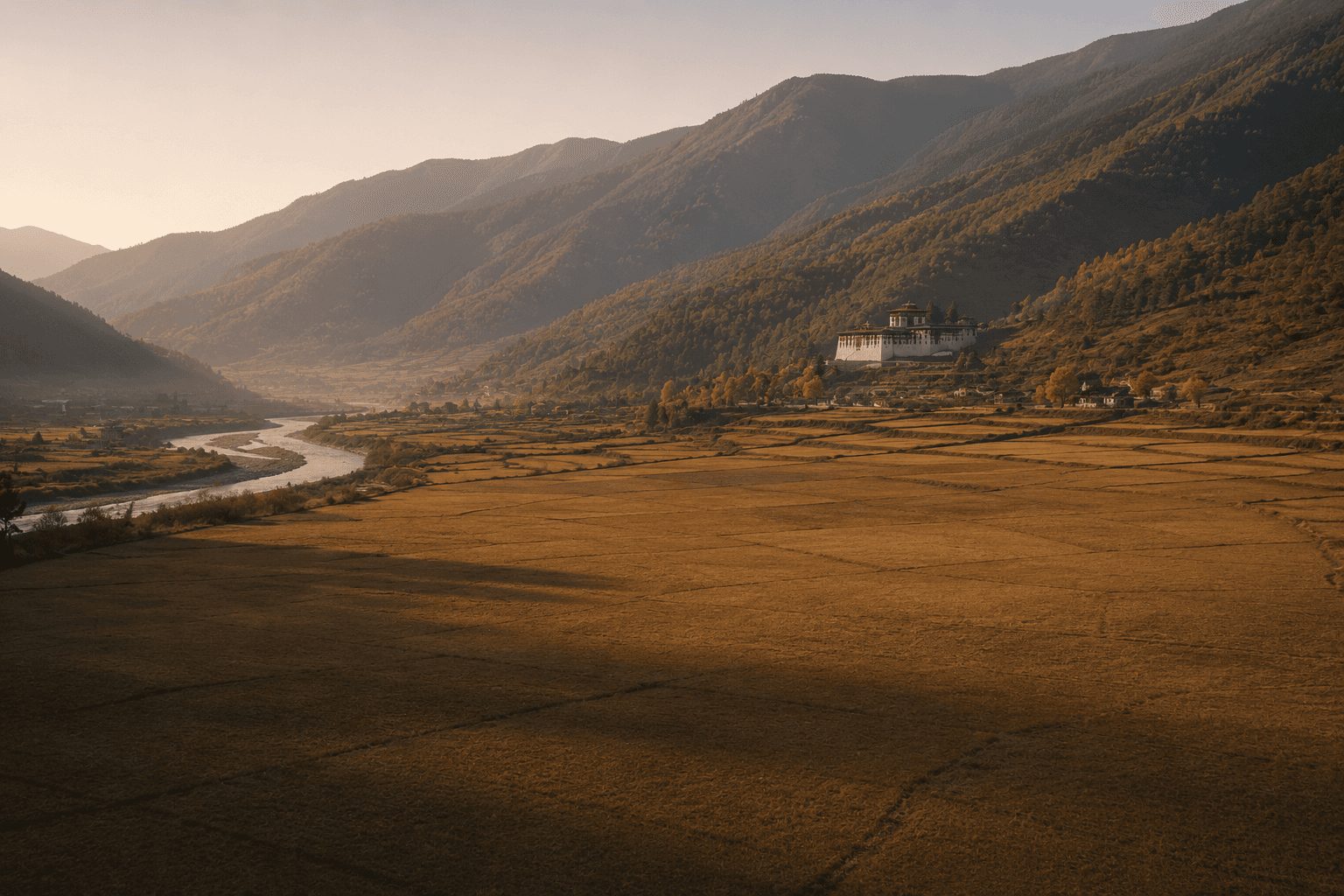
Eight nights in Bhutan’s Paro and Punakha valleys. Temple mornings, farmhouse lunches, a private audience with a master thangka painter, and the particular quality of autumn light that belongs only to the Himalayan plateau in October.
Explore this journey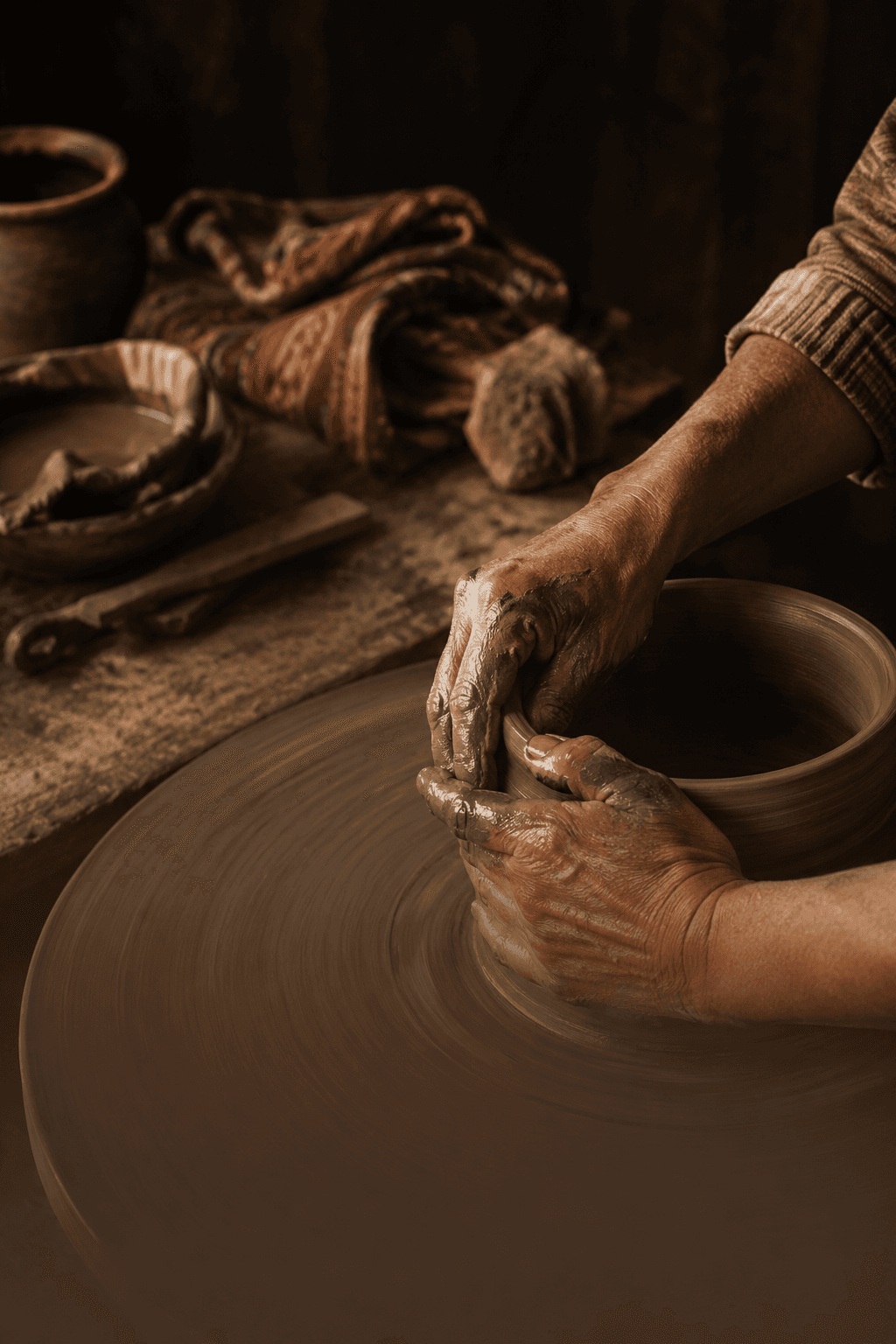
Seven nights between Cusco and the Sacred Valley. Market mornings with a local cook. An afternoon in a traditional weaving cooperative. A private visit to a collection of pre-Columbian ceramics whose curator has been cataloguing them for thirty years.
The particular intelligence of a person who has been making the same thing by hand for decades and has found, in the repetition, a form of knowledge that no instruction can transmit.
Not the tourist market but the working one. The stalls that open before five. The vendors who have been selling the same thing in the same spot since their parents did. The economy of a place, visible and specific.
Every culture communicates something essential about itself through the way it prepares food. The techniques that have not changed in five generations. The ingredient that grows only in this valley. The meal that begins at the market and ends at the table.
The ritualised act that is performed not for visitors but for the community itself — and which communicates, to the careful observer, something about what that community believes is worth marking.
Libraries, collections, private holdings. The accumulated record of what a culture thought was worth keeping — and the particular quality of attention produced in a room full of things that have outlasted their makers.
The speed at which life is lived in a particular place is itself a form of cultural information. The afternoon that closes entirely. The meal that takes three hours by design. The walk that has no destination except the quality of attention it produces.
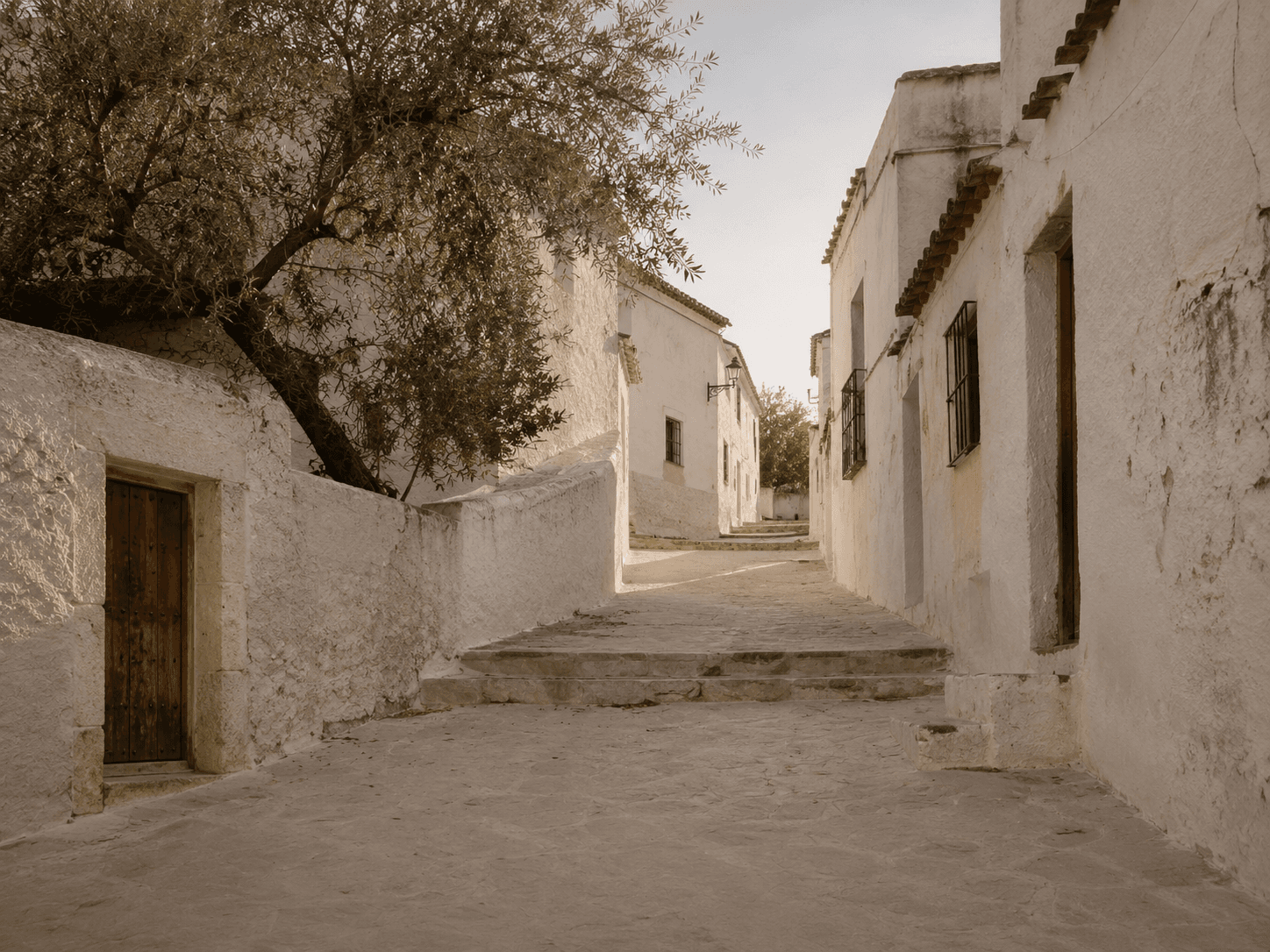
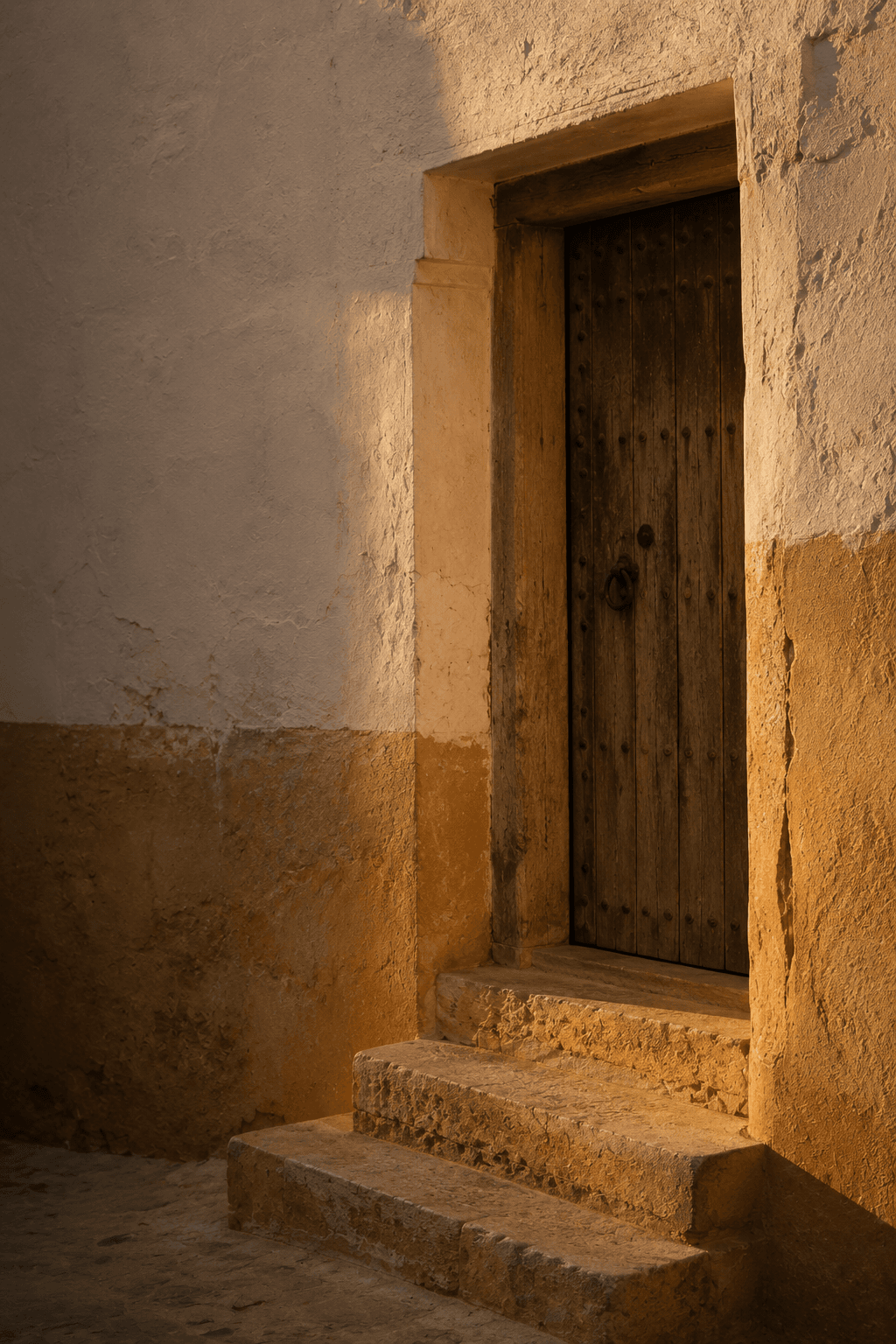
The built environment of a place — the streets, the thresholds, the walls of buildings that have been absorbing weather for centuries — communicates a culture's relationship with time more honestly than any museum can.
The feeling, achieved rarely and only by those who were genuinely present, that a place has accepted you — not as a visitor but as a temporary inhabitant. This is the purpose of immersion. Everything else is in service of this.
October in Andalusia is the month the culture returns to itself after the summer. The olive harvest begins. The morning markets in Granada carry produce that has no equivalent in any other season. The Alhambra at seven in the morning receives thirty visitors rather than three thousand.
Eight nights moving from Seville to Granada, with three days in the whitewashed villages of the Alpujarras, where the pace of life has been shaped by the mountain above rather than the road below.
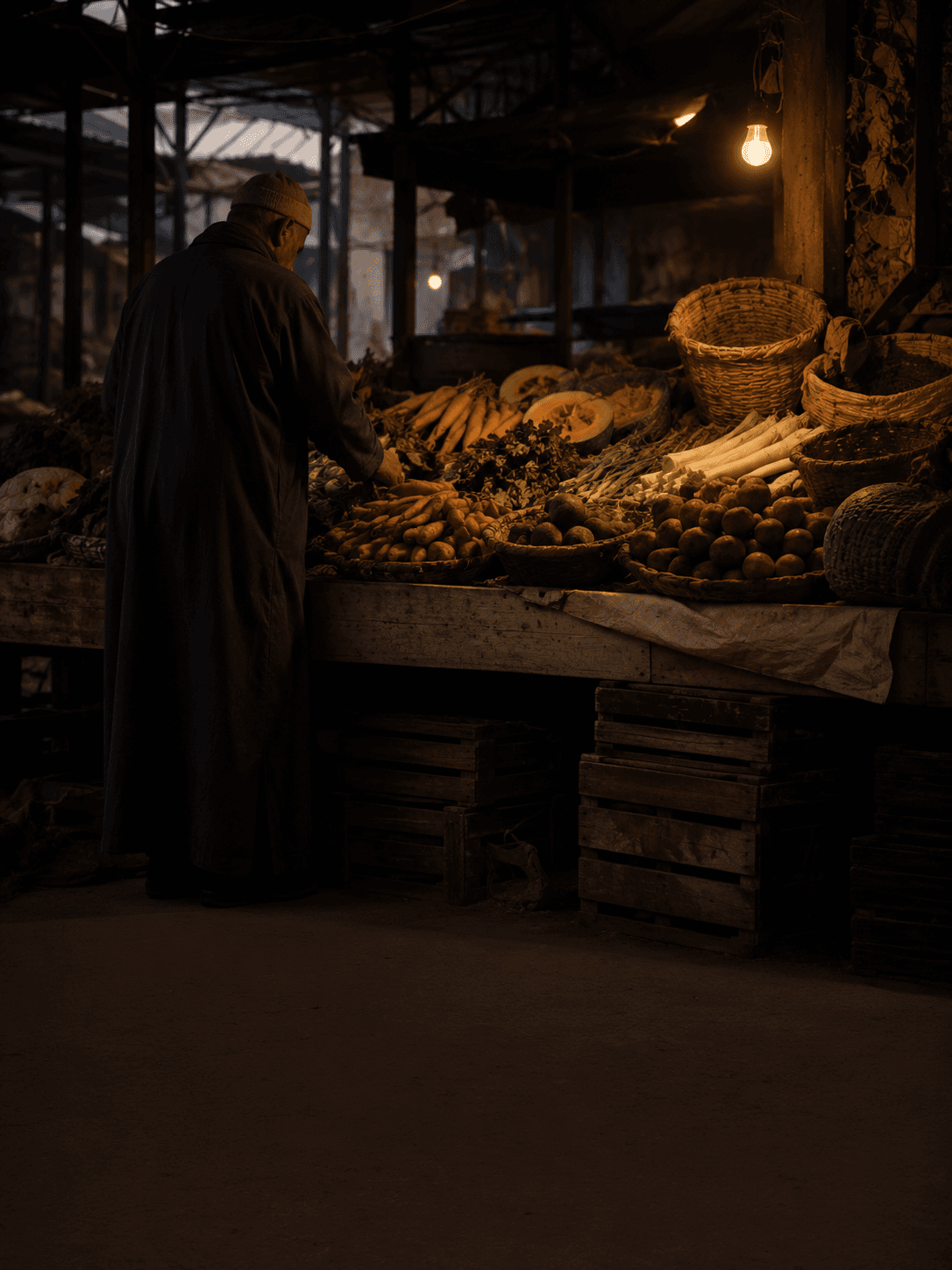
The working market at six in the morning belongs entirely to the people who supply it and the people who buy from it. You are there as a witness, with a guide who has been shopping here every morning for years and who buys what is worth buying.
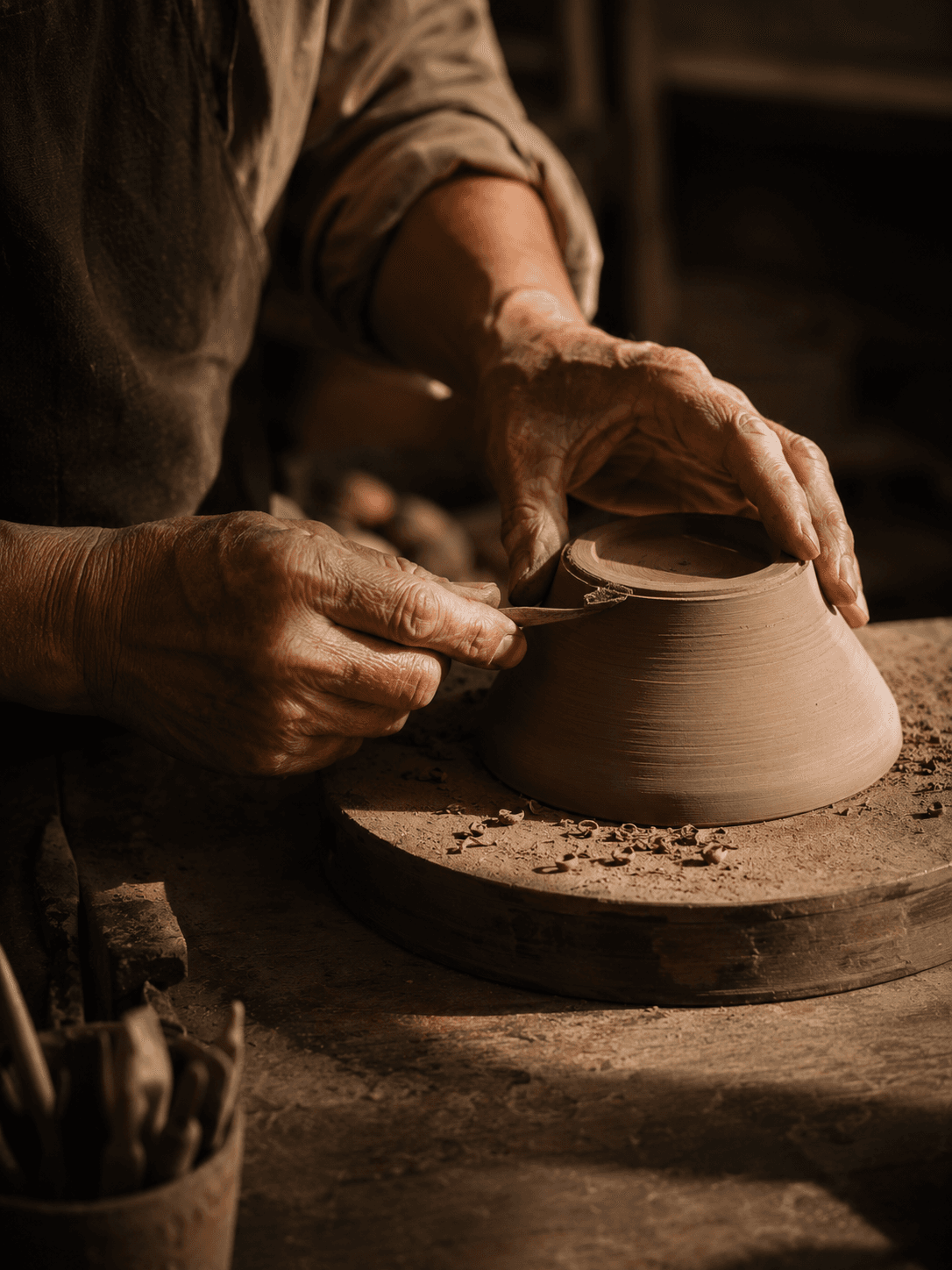
An hour with the ceramicist, or the weaver, or the woodworker — not a demonstration but a working morning in which you observe someone doing something they have been doing for thirty years. The difference between seeing craft and being present for it.
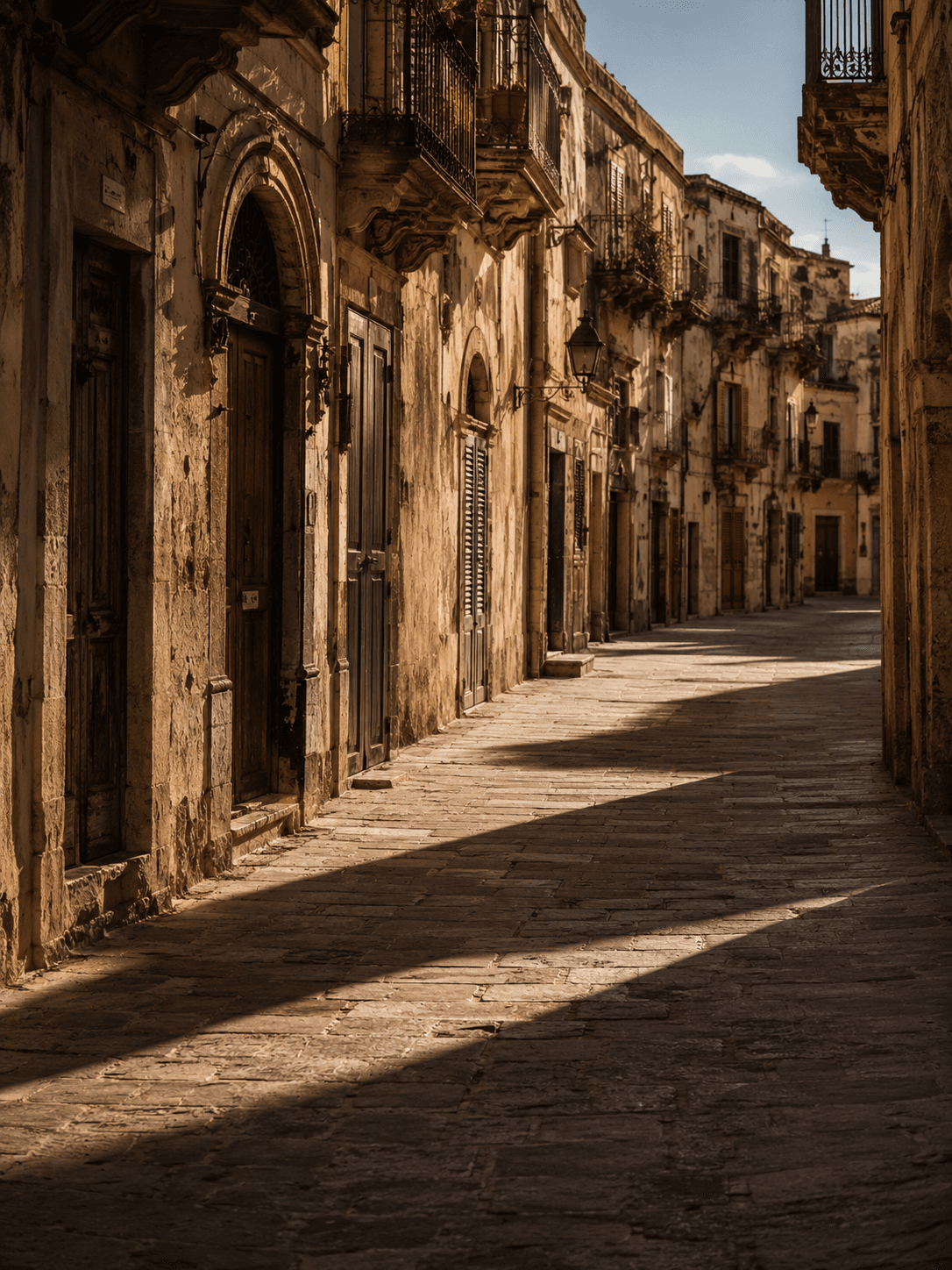
Your guide has suggested a direction. The rest is yours. The streets are old enough to have been worn into their own logic. The doorways, the thresholds, the windows at odd heights — the architecture of a place that was not built for visitors.
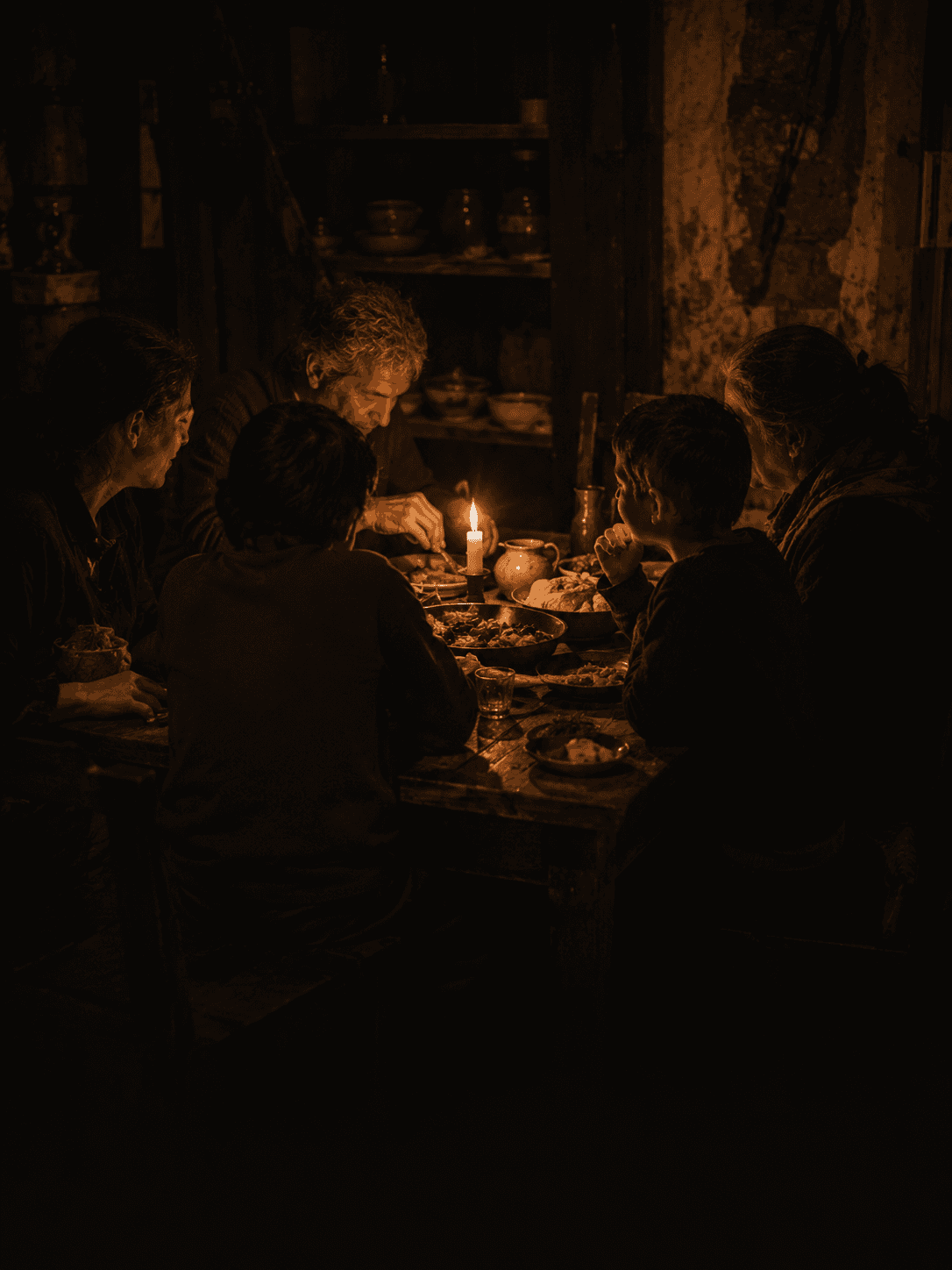
The restaurant is not the obvious one. It is the one in the neighbourhood that has been feeding the same families for three generations and has no need to explain itself. Tonight, you are one of those people.
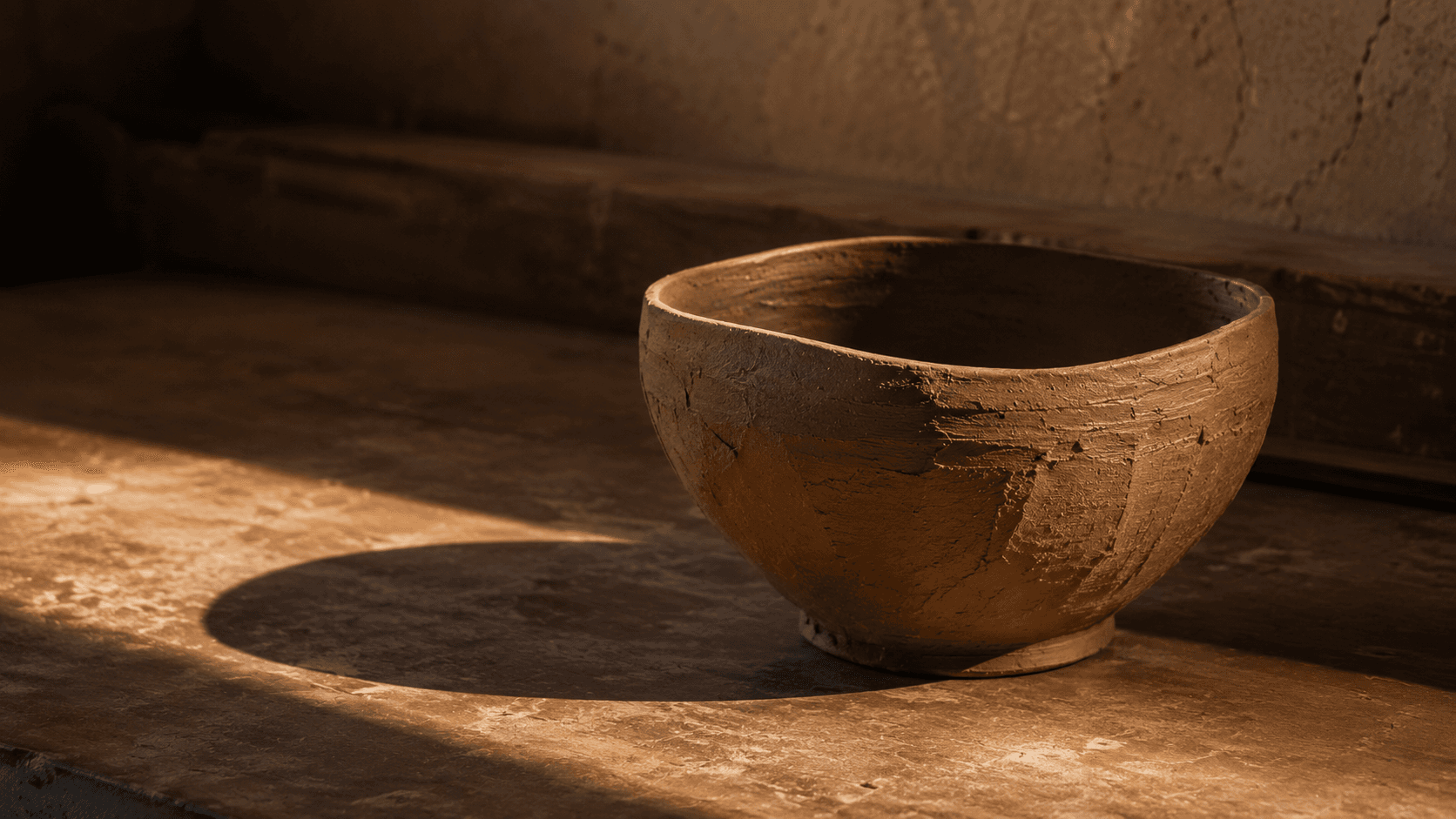
Why the most meaningful encounters on any cultural journey are almost always the ones that were not arranged — and how to create the conditions in which they can occur.
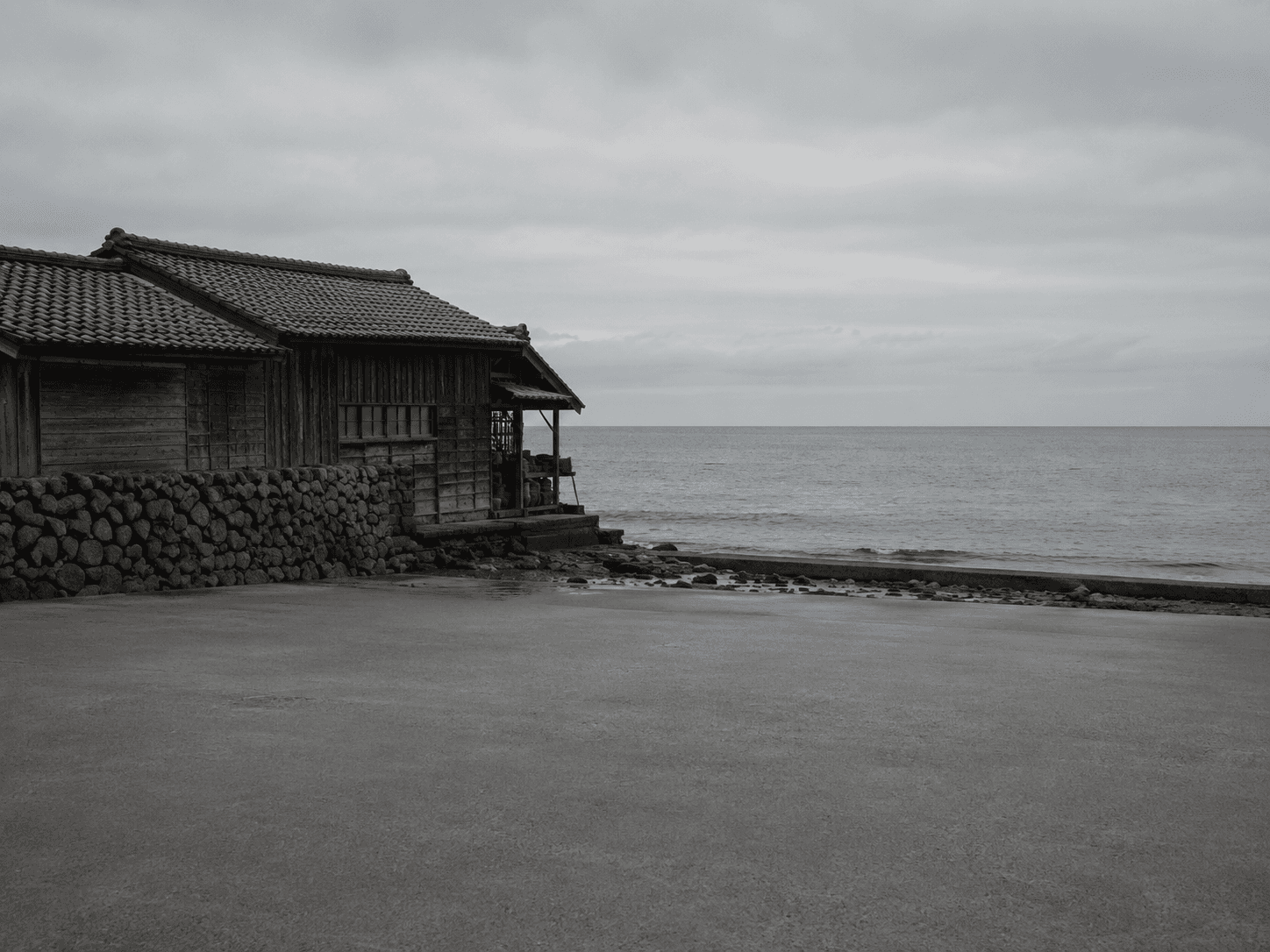
Read the essayA personal account of returning to the Noto Peninsula eighteen months after the 2024 earthquake, and finding something in the reconstruction that was not there before.
ReadOn the particular form of cultural intelligence that exists in working markets at five in the morning — and why the tourist market at noon is not the same thing.
ReadNot an enquiry form. Not a product selection. A conversation with a person who has been to these places, who has arrived in the right season at the right hour, and who understands the particular kind of cultural encounter you are looking for.
Your concierge will write to you within two working days. We are glad you are considering travelling with us.
Begin the conversation“Tell us which aspect of a culture interests you most. We will find the access that makes it real rather than representative.”
Response within two working days · No obligation · Private & confidential
Every meaningful journey begins with a conversation.